

Are there any substitutes for PVC fittings stabilizers? That's a question I get asked a lot as a supplier of PVC Fittings Stabilizers. In this blog, I'll dive into this topic, sharing what I know from my experience in the industry.

First off, let's understand why PVC fittings need stabilizers. PVC, or polyvinyl chloride, is a widely used plastic. It's strong, durable, and cost - effective, which makes it great for all sorts of applications like pipes, window frames, and fittings. But here's the catch: PVC isn't very stable on its own. When it's exposed to heat during processing or over time in use, it can break down. This breakdown can lead to discoloration, loss of mechanical properties, and even the release of harmful substances. That's where stabilizers come in. They help PVC withstand heat and other environmental factors, ensuring that the final products meet the required standards.
Now, the big question: are there substitutes for PVC fittings stabilizers? Well, there are a few options out there.
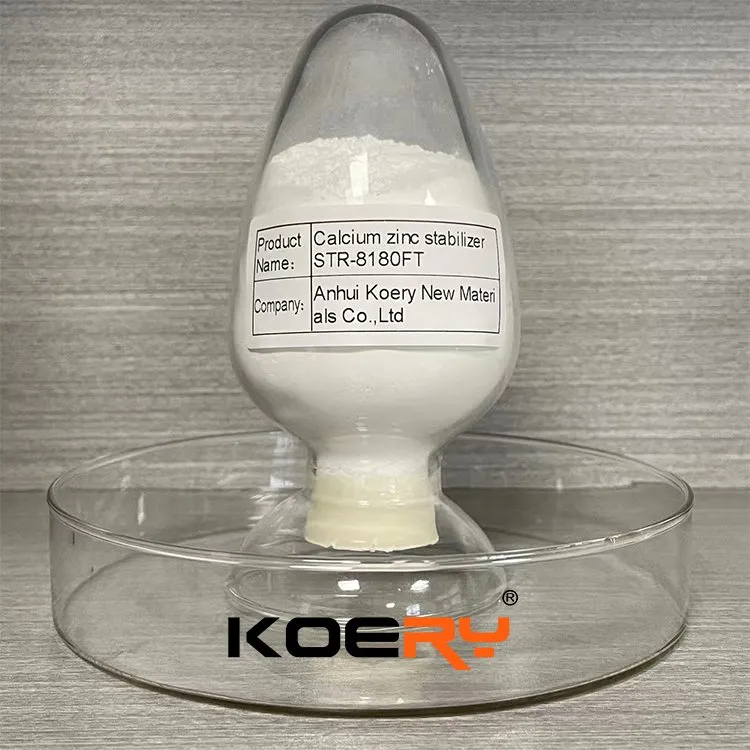
One alternative is calcium - zinc stabilizers. These are becoming increasingly popular because they're considered more environmentally friendly compared to some traditional stabilizers. Calcium - zinc stabilizers work by neutralizing the hydrochloric acid that's released when PVC breaks down. They also help prevent the formation of double bonds in the PVC chain, which can cause discoloration. You can check out our Heat Stabilizer for PVC Drainage Pipes and Heat Stabilizer for PVC Pipe Fittings if you're interested in seeing how calcium - zinc stabilizers can be used in specific applications.
Another substitute is organic stabilizers. These are made from organic compounds and are often used in applications where transparency is important. Organic stabilizers can provide good heat stability and are also compatible with other additives. Our Heat Stabilizer for PVC Transparent Products is an example of how organic stabilizers can be utilized to maintain the clarity of PVC products while keeping them stable.
However, it's important to note that while these substitutes have their advantages, they also have some limitations. For example, calcium - zinc stabilizers may not be as effective as some traditional stabilizers in high - temperature applications. They might also require higher loading levels to achieve the same level of stability, which can increase costs. Organic stabilizers, on the other hand, can be more expensive and may have limited availability.
When it comes to choosing a substitute for PVC fittings stabilizers, it really depends on the specific requirements of the application. If environmental friendliness is a top priority, calcium - zinc or organic stabilizers could be a good choice. But if you need high - performance stability in extreme conditions, traditional stabilizers might still be the way to go.
Let's talk about the performance of these substitutes in different PVC fitting applications. In drainage pipes, for instance, the stabilizer needs to protect the PVC from the heat generated during extrusion and also from the chemicals in the wastewater. Calcium - zinc stabilizers can do a decent job here, but you have to make sure you're using the right formulation. Our Heat Stabilizer for PVC Drainage Pipes is designed to meet these specific needs, providing long - term stability and resistance to corrosion.
For pipe fittings, which often have more complex shapes and need to withstand pressure and stress, the stabilizer has to be able to maintain the mechanical properties of the PVC. Both calcium - zinc and organic stabilizers can be used, but again, the formulation has to be carefully adjusted. Our Heat Stabilizer for PVC Pipe Fittings is engineered to enhance the strength and durability of the fittings, ensuring they perform well in real - world applications.
In the case of transparent products, like clear PVC sheets or containers, organic stabilizers are often the preferred choice. They can keep the PVC clear while providing the necessary heat stability. Our Heat Stabilizer for PVC Transparent Products is formulated to give excellent clarity and long - term stability, making it suitable for a wide range of transparent PVC applications.
Cost is another factor to consider when looking at substitutes for PVC fittings stabilizers. Traditional stabilizers have been around for a long time, and their production processes are well - established, which often means they're more cost - effective. But as the demand for more environmentally friendly options grows, the cost of substitutes like calcium - zinc and organic stabilizers is starting to come down. It's a balance between cost and performance, and you have to decide what's most important for your business.
Regulatory requirements also play a role in the choice of stabilizers. In many regions, there are strict regulations regarding the use of certain chemicals in PVC products. For example, some heavy - metal - based stabilizers are being phased out due to their potential environmental and health risks. This has led to an increased interest in substitutes like calcium - zinc and organic stabilizers, which are generally considered safer.
In conclusion, there are substitutes for PVC fittings stabilizers, but each option has its own pros and cons. Whether you choose a traditional stabilizer or one of the alternatives depends on your specific application, cost considerations, and regulatory requirements. At our company, we have a wide range of stabilizers to meet different needs. If you're looking for a high - quality stabilizer for your PVC fittings, we'd love to have a chat with you. We can help you find the right product based on your requirements and provide you with all the technical support you need. So, if you're interested in discussing your PVC fittings stabilizer needs, don't hesitate to reach out. We're here to assist you in making the best choice for your business.
References:
- Handbook of PVC Formulating by Edward J. Wickson
- PVC Technology by W. V. Titow