

PVC, or polyvinyl chloride, is one of the most widely used plastics in the world due to its versatility, durability, and cost - effectiveness. However, PVC has a major drawback: it is highly susceptible to thermal degradation during processing and long - term use. This is where PVC heat stabilizers come into play. As a PVC heat stabilizer supplier, I am well - versed in how these stabilizers enhance the thermal aging resistance of PVC, and I'm excited to share this knowledge with you.
Understanding PVC Thermal Degradation
Before delving into how heat stabilizers work, it's essential to understand the process of PVC thermal degradation. When PVC is exposed to high temperatures, usually during processing such as extrusion, injection molding, or in long - term service under elevated temperature conditions, it starts to break down. The main mechanism of thermal degradation in PVC is the dehydrochlorination reaction.
The chlorine atoms in the PVC polymer chain are labile at high temperatures. They are gradually removed from the polymer backbone in the form of hydrogen chloride (HCl). This dehydrochlorination reaction leads to the formation of conjugated double bonds in the PVC chain. As more and more double bonds are formed, the PVC changes color from white to yellow, then brown, and finally black. Moreover, the mechanical properties of PVC, such as its strength and flexibility, are severely compromised, making the material brittle and prone to cracking.
How PVC Heat Stabilizers Work
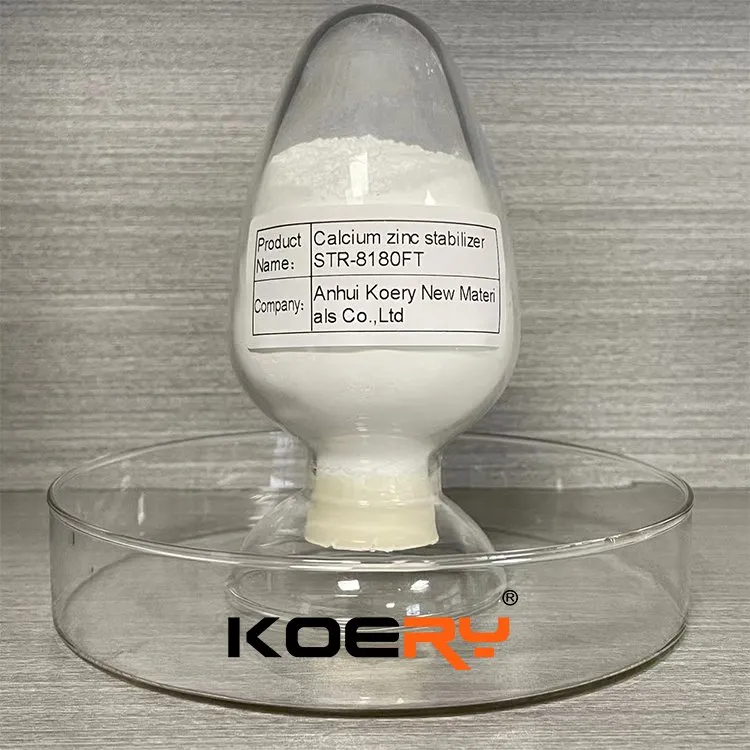
PVC heat stabilizers can be classified into different types, including lead - based, calcium - zinc based, organotin, and rare - earth based stabilizers. Each type has its own unique mechanism of action, but they all share the common goal of preventing or delaying the thermal degradation of PVC.
1. Scavenging Hydrogen Chloride
One of the primary functions of PVC heat stabilizers is to scavenge the hydrogen chloride (HCl) that is released during the dehydrochlorination reaction. For example, calcium - zinc stabilizers contain metal salts such as calcium stearate and zinc stearate. These salts can react with the HCl released from PVC, forming metal chlorides and fatty acids. By removing the HCl from the system, the stabilizers interrupt the autocatalytic dehydrochlorination process. This is crucial because HCl acts as a catalyst for the further degradation of PVC. Once the HCl is removed, the rate of dehydrochlorination is significantly reduced, thereby improving the thermal aging resistance of PVC.
2. Substituting Labile Chlorine Atoms
Some heat stabilizers, like organotin stabilizers, can substitute the labile chlorine atoms in the PVC chain. Organotin compounds have reactive groups that can react with the PVC chain and replace the chlorine atoms at the weak points. This substitution reaction stabilizes the PVC chain and makes it more resistant to thermal degradation. By preventing the initial dehydrochlorination at these labile sites, the overall thermal stability of PVC is enhanced.
3. Preventing Oxidation
In addition to dehydrochlorination, oxidation also plays a role in the thermal aging of PVC. Oxygen in the air can react with the PVC polymer chain at high temperatures, leading to the formation of carbonyl groups and other oxidation products. These oxidation products can further accelerate the degradation of PVC. Many PVC heat stabilizers, especially those containing antioxidants, can prevent oxidation by reacting with free radicals generated during the oxidation process. For example, phenolic antioxidants can donate a hydrogen atom to the free radicals, thereby stabilizing them and preventing further oxidation reactions.
Specific Applications and the Role of Heat Stabilizers
The performance requirements of PVC products vary depending on their applications. Different types of PVC heat stabilizers are chosen according to the specific needs of these applications.

PVC Cable Materials
PVC is widely used in cable insulation and sheathing due to its good electrical insulation properties. However, cables are often exposed to high temperatures during operation, especially in high - power applications. Heat stabilizers for PVC cable materials [Heat Stabilizer for PVC Cable Material](/calcium - zinc - stabilizer/heat - stabilizer - for - pvc - cable - material.html) are designed to provide long - term thermal stability. They need to prevent the degradation of PVC under continuous high - temperature conditions to maintain the electrical insulation performance and mechanical integrity of the cables. Calcium - zinc stabilizers are a popular choice for PVC cable materials because they are non - toxic and have good heat - stabilizing effects, ensuring the safety and reliability of cables over their service life.
PVC Pipe Fittings
PVC pipes and fittings are used in a variety of plumbing and construction applications. During the manufacturing process of pipe fittings, they are subjected to high - temperature extrusion and injection molding. Heat stabilizers for PVC pipe fittings [Heat Stabilizer for PVC Pipe Fittings](/calcium - zinc - stabilizer/heat - stabilizer - for - pvc - pipe - fittings.html) help PVC withstand these high - temperature processes without significant degradation. In addition, once installed, pipe fittings may be exposed to hot water or sunlight, which can also cause thermal aging. The right heat stabilizers can extend the service life of PVC pipe fittings by preventing color change, embrittlement, and loss of mechanical strength.

PVC Pipes
Calcium zinc stabilizers are also commonly used in PVC pipes [Calcium Zinc Stabilizer For PVC Pipes](/calcium - zinc - stabilizer/calcium - zinc - stabilizer - for - pvc - pipes - factory.html). PVC pipes are used for water supply, drainage, and sewage systems. They need to maintain their structural integrity and chemical resistance over a long period. The heat stabilizers in PVC pipes ensure that the pipes can withstand the temperature fluctuations during manufacturing and in service. They prevent the pipes from becoming brittle and cracking, which could lead to leaks and system failures.
Quality Control and Innovation in Heat Stabilizers
As a PVC heat stabilizer supplier, we understand the importance of quality control. The performance of heat stabilizers can vary depending on their chemical composition, purity, and particle size. We conduct strict quality control measures at every stage of the production process, from raw material selection to the final product packaging.
In addition to quality control, innovation is also a key aspect of our business. We are constantly researching and developing new types of heat stabilizers to meet the evolving needs of the PVC industry. For example, with the increasing demand for environmentally friendly products, we are focusing on developing heat stabilizers that are free of heavy metals such as lead and cadmium. These new stabilizers not only provide excellent thermal stability but also comply with strict environmental regulations.

Conclusion
In conclusion, PVC heat stabilizers play a vital role in improving the thermal aging resistance of PVC. By scavenging hydrogen chloride, substituting labile chlorine atoms, and preventing oxidation, they can effectively delay the thermal degradation of PVC, maintain its mechanical and physical properties, and extend its service life. Whether it's for cable materials, pipe fittings, or pipes, the right heat stabilizer is essential for ensuring the quality and performance of PVC products.
If you are in the PVC manufacturing industry and are looking for high - quality PVC heat stabilizers, we would be more than happy to assist you. Our team of experts can provide you with customized solutions based on your specific requirements. Please feel free to contact us to start a procurement negotiation and explore how our heat stabilizers can enhance the performance of your PVC products.
References
- Wilkes, G. L., & Waddon, A. J. (Eds.). (2004). Structure, Properties, and Performance of Polymers. CRC Press.
- Carraher, C. E. (2012). Polymer Chemistry. CRC Press.
- Batez, J. F., & Trossarelli, L. (1976). Degradation and Stabilization of Poly(vinyl chloride). Marcel Dekker.