

Calcium zinc stabilizers are essential additives in the PVC industry, offering excellent heat stability and environmental - friendliness. As a supplier of calcium zinc stabilizers, I understand the importance of proper storage to maintain the quality of these products. One of the most critical factors in storage is preventing moisture absorption, which can significantly degrade the performance of calcium zinc stabilizers. In this blog, I will share some effective strategies on how to store calcium zinc stabilizers to avoid moisture absorption.
Understanding the Impact of Moisture on Calcium Zinc Stabilizers
Moisture can have a detrimental effect on calcium zinc stabilizers. When these stabilizers absorb moisture, they may undergo chemical reactions that alter their physical and chemical properties. For example, the moisture can cause caking, which makes it difficult to disperse the stabilizer evenly in the PVC compound. Moreover, the presence of moisture can accelerate the hydrolysis of some components in the stabilizer, reducing its heat - stabilizing efficiency. As a result, the PVC products made with moisture - affected stabilizers may exhibit poor mechanical properties, such as reduced tensile strength and impact resistance, and may also have a shorter service life.
Selecting the Right Storage Environment
The first step in preventing moisture absorption is to choose an appropriate storage environment. A dry and well - ventilated warehouse is ideal. The relative humidity in the storage area should be kept below 60%. High humidity levels provide a favorable condition for moisture to be absorbed by the stabilizers. You can use a hygrometer to monitor the humidity regularly. If the humidity exceeds the recommended level, dehumidifiers can be installed to reduce the moisture content in the air.
The temperature in the storage area also matters. Calcium zinc stabilizers should be stored at a stable temperature, preferably between 10°C and 30°C. Extreme temperatures can affect the stability of the stabilizers and may also increase the risk of moisture condensation. For instance, if the temperature drops suddenly, the moisture in the air may condense on the packaging of the stabilizers, leading to moisture absorption.
Proper Packaging
The packaging of calcium zinc stabilizers plays a crucial role in preventing moisture absorption. High - quality, moisture - resistant packaging materials should be used. Commonly, multi - layer plastic bags with good barrier properties are employed. These bags can effectively block the penetration of moisture from the outside environment.
The packaging should be sealed tightly. After each use, make sure the bag is properly resealed to prevent air and moisture from entering. If possible, vacuum - sealing can be used for long - term storage. Vacuum - sealing removes the air inside the package, reducing the chance of moisture being present and absorbed by the stabilizer.
Storage Arrangement
When storing calcium zinc stabilizers in the warehouse, proper arrangement is necessary. The products should be stored on pallets to keep them off the ground. The ground may be a source of moisture, especially in areas with high groundwater levels. By using pallets, you can prevent direct contact between the stabilizer packages and the potentially damp floor.
The storage area should be organized in a way that allows for easy access and inventory management. Avoid over - stacking the packages, as this can put pressure on the lower packages and may damage the packaging, increasing the risk of moisture ingress. Also, leave some space between the stacks to ensure good air circulation.
Monitoring and Inspection
Regular monitoring and inspection of the stored calcium zinc stabilizers are essential. Check the packaging for any signs of damage, such as tears or holes. If any damaged packages are found, they should be repackaged immediately to prevent moisture absorption.
Inspect the stabilizer itself for signs of caking or other changes in appearance. If caking is detected, it may indicate that the stabilizer has absorbed moisture. In such cases, further testing may be required to determine if the stabilizer is still suitable for use.
Special Considerations for Different Applications
Different types of calcium zinc stabilizers are used for various PVC applications, such as Heat Stabilizer for PVC Wire, Heat Stabilizer for PVC Foam Board, and Heat Stabilizer for PVC Cable Material. While the general principles of storage to avoid moisture absorption apply to all these products, there may be some specific requirements.
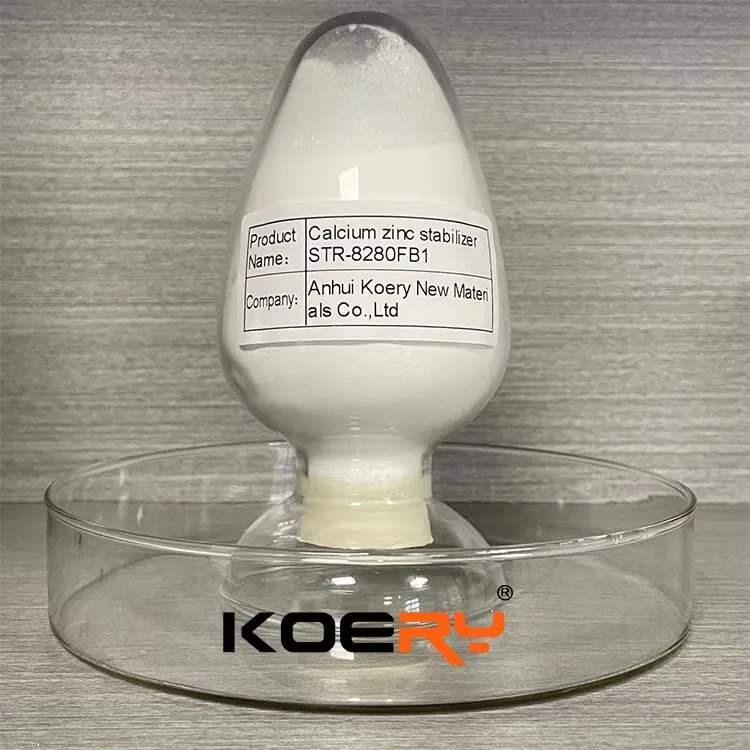

For example, stabilizers used in PVC wire applications may need to meet more stringent purity requirements. Therefore, extra care should be taken during storage to prevent any contamination that could be associated with moisture absorption. Similarly, stabilizers for PVC foam boards may have different particle size distributions, and improper storage leading to caking could affect the foaming process.
Conclusion
Proper storage of calcium zinc stabilizers to avoid moisture absorption is of utmost importance for maintaining their quality and performance. By selecting the right storage environment, using proper packaging, arranging the storage area correctly, and conducting regular monitoring and inspection, you can ensure that the stabilizers remain in good condition.
As a calcium zinc stabilizer supplier, I am committed to providing high - quality products and sharing professional knowledge with our customers. If you have any questions about the storage of calcium zinc stabilizers or are interested in purchasing our products, please feel free to contact us for further discussion and procurement negotiation. We look forward to establishing long - term partnerships with you.
References
- "Handbook of PVC Formulating" by Edward J. Wickson.
- Research papers on the impact of moisture on PVC additives from academic journals in the polymer science field.