

What are the installation sequence for fitting stabilizers?
As a seasoned supplier of fitting stabilizers, I've witnessed firsthand the critical role these components play in various industries, especially in PVC manufacturing. Whether it's PVC wall panels, drainage pipes, or foam boards, the proper installation of stabilizers is essential for ensuring product quality, durability, and performance. In this blog post, I'll share the installation sequence for fitting stabilizers, along with some insights and best practices based on my years of experience.
Understanding the Types of Stabilizers
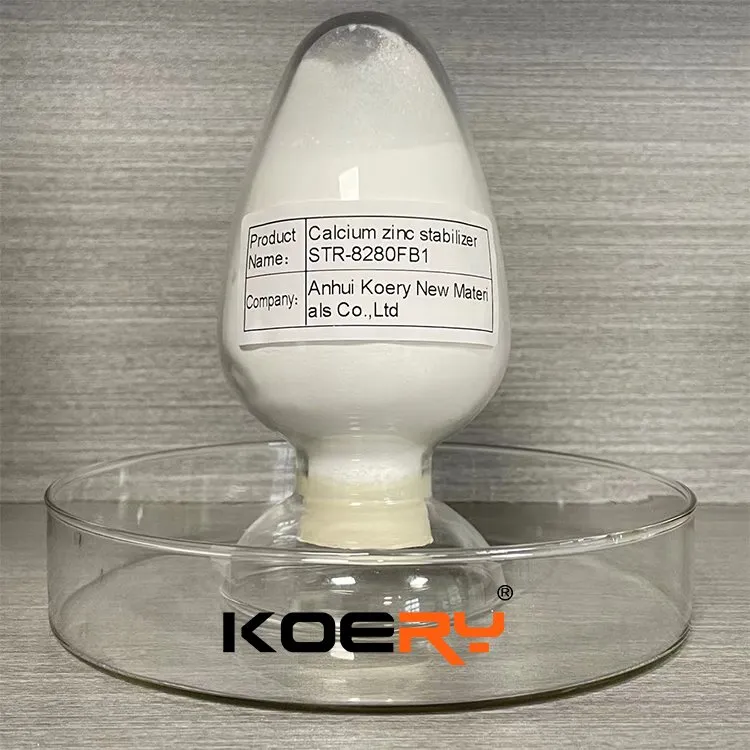
Before diving into the installation sequence, it's important to understand the different types of stabilizers available and their specific applications. At our company, we offer a range of high-quality stabilizers, including Calcium Zinc Stabilizer for PVC Wall Panels, Heat Stabilizer for PVC Drainage Pipes, and Heat Stabilizer for PVC Foam Board. Each type of stabilizer is formulated to meet the unique requirements of different PVC products, providing excellent heat stability, weather resistance, and processing performance.
Installation Sequence for Fitting Stabilizers
The installation sequence for fitting stabilizers can vary depending on the specific product and manufacturing process. However, the following general steps can serve as a guide for most applications:
Step 1: Preparation
- Inspect the Equipment: Before starting the installation process, carefully inspect all the equipment and machinery to ensure they are in good working condition. Check for any signs of damage, wear, or malfunction, and make any necessary repairs or adjustments.
- Gather the Necessary Tools and Materials: Collect all the tools and materials required for the installation, including stabilizers, PVC resin, additives, mixing equipment, and safety gear. Make sure you have the correct type and quantity of stabilizers for your specific application.
- Clean the Mixing Equipment: Thoroughly clean the mixing equipment to remove any residual materials or contaminants. This will help prevent cross-contamination and ensure the quality of the final product.
Step 2: Weighing and Measuring
- Determine the Correct Dosage: Refer to the product specifications and guidelines provided by the stabilizer manufacturer to determine the correct dosage of stabilizers for your PVC formulation. The dosage may vary depending on factors such as the type of PVC resin, processing conditions, and desired properties of the final product.
- Weigh the Stabilizers: Use a calibrated weighing scale to accurately measure the required amount of stabilizers. Make sure to follow the recommended dosage and avoid over- or under-dosing, as this can affect the performance and quality of the PVC product.
- Weigh the Other Ingredients: In addition to the stabilizers, you'll also need to weigh and measure the other ingredients in your PVC formulation, such as PVC resin, plasticizers, lubricants, and pigments. Follow the same procedures as for the stabilizers to ensure accurate dosing.
Step 3: Mixing
- Add the PVC Resin: Start by adding the PVC resin to the mixing equipment. Make sure the resin is evenly distributed and free of clumps or agglomerates.
- Add the Stabilizers: Slowly add the pre-weighed stabilizers to the mixing equipment while the mixer is running. Continue mixing for a few minutes to ensure the stabilizers are evenly dispersed throughout the PVC resin.
- Add the Other Ingredients: Gradually add the other ingredients, such as plasticizers, lubricants, and pigments, to the mixing equipment. Mix the ingredients thoroughly for a specified period of time to achieve a homogeneous blend.
- Monitor the Mixing Process: During the mixing process, monitor the temperature, speed, and consistency of the mixture to ensure optimal performance. Adjust the mixing parameters as needed to achieve the desired properties of the PVC compound.
Step 4: Processing
- Extrusion or Molding: Once the PVC compound is thoroughly mixed, it can be processed using extrusion or molding techniques. Extrusion is commonly used for producing PVC pipes, profiles, and sheets, while molding is used for creating complex shapes and products.
- Set the Processing Parameters: Before starting the extrusion or molding process, set the appropriate processing parameters, such as temperature, pressure, and speed, based on the type of PVC compound and the desired product specifications. Follow the manufacturer's recommendations and guidelines to ensure optimal processing performance.
- Monitor the Processing Process: During the extrusion or molding process, monitor the temperature, pressure, and output of the equipment to ensure consistent quality and performance. Make any necessary adjustments to the processing parameters to maintain the desired product properties.
Step 5: Quality Control
- Inspect the Final Product: After the PVC product is processed, inspect it carefully for any defects, such as cracks, bubbles, or uneven surfaces. Use appropriate testing equipment and methods to verify the quality and performance of the product.
- Conduct Quality Tests: Perform various quality tests, such as heat stability tests, weather resistance tests, and mechanical property tests, to ensure the product meets the required standards and specifications. Document the test results and keep them on file for future reference.
- Make Any Necessary Adjustments: If any defects or issues are detected during the quality control process, make the necessary adjustments to the PVC formulation, processing parameters, or equipment to improve the quality and performance of the product.
Best Practices for Installing Stabilizers
In addition to following the installation sequence, there are several best practices that can help ensure the successful installation of stabilizers and the production of high-quality PVC products:
- Follow the Manufacturer's Recommendations: Always follow the product specifications and guidelines provided by the stabilizer manufacturer. This will help ensure the correct dosage, mixing procedures, and processing parameters are used, resulting in optimal performance and quality.
- Store the Stabilizers Properly: Store the stabilizers in a cool, dry place away from direct sunlight and moisture. This will help prevent degradation and ensure the stability and effectiveness of the stabilizers.
- Use High-Quality Ingredients: Use high-quality PVC resin, additives, and other ingredients in your PVC formulation. This will help ensure the overall quality and performance of the final product.
- Maintain a Clean and Safe Work Environment: Keep the work area clean and free of debris to prevent contamination and ensure the safety of the workers. Use appropriate safety gear, such as gloves, goggles, and respirators, when handling stabilizers and other chemicals.
- Train the Workers: Provide proper training to the workers on the installation sequence, mixing procedures, and safety precautions for handling stabilizers. This will help ensure the workers are knowledgeable and skilled in using the stabilizers effectively and safely.
Conclusion
The proper installation of stabilizers is crucial for ensuring the quality, durability, and performance of PVC products. By following the installation sequence and best practices outlined in this blog post, you can ensure the successful installation of stabilizers and the production of high-quality PVC products that meet the required standards and specifications.
If you're interested in learning more about our fitting stabilizers or have any questions about the installation process, please don't hesitate to contact us. Our team of experts is always ready to assist you with your PVC manufacturing needs and provide you with the best solutions and support.

References
- [List of relevant industry standards or technical documents related to stabilizer installation]
- [Any academic papers or research studies that support the information provided in the blog post]