

In the realm of PVC processing, heat stabilizers play a pivotal role in ensuring the quality and performance of PVC products. As a PVC heat stabilizer supplier, I have witnessed firsthand the remarkable advancements in heat stabilizer technologies over the years. However, like any technology, current PVC heat stabilizer technologies are not without their limitations. In this blog post, I will delve into some of the key limitations of these technologies and discuss potential solutions and future directions.
Environmental Concerns
One of the most significant limitations of current PVC heat stabilizer technologies is their environmental impact. Traditional heat stabilizers, such as lead-based and cadmium-based stabilizers, have been widely used in the past due to their excellent thermal stability and cost-effectiveness. However, these heavy metals are known to be toxic and can pose serious health risks to humans and the environment.
Lead, for example, is a neurotoxin that can cause cognitive and behavioral problems, especially in children. Cadmium is also highly toxic and can accumulate in the human body, leading to kidney damage and other health issues. In addition, the disposal of PVC products containing lead and cadmium can contaminate soil and water, further exacerbating the environmental impact.
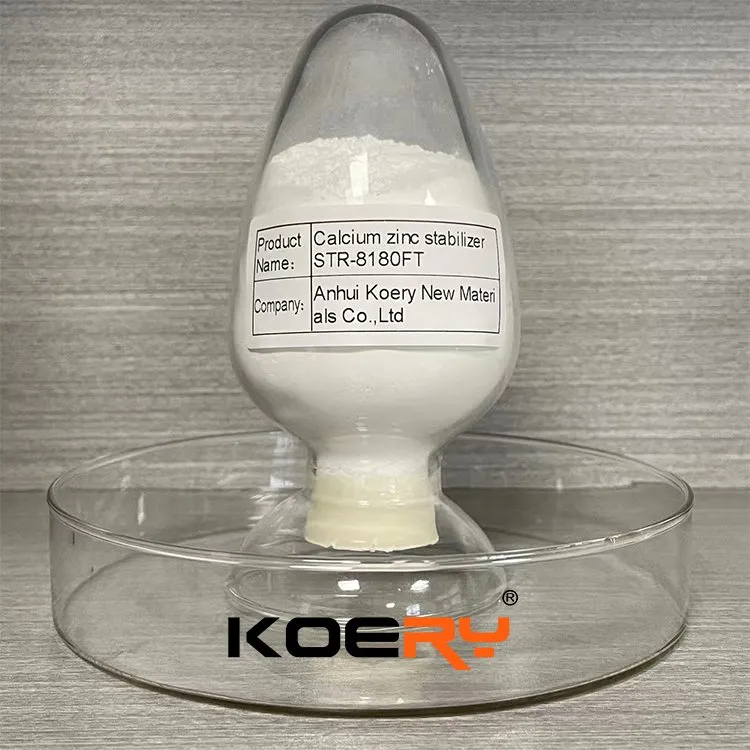
In response to these concerns, there has been a growing trend towards the development and use of environmentally friendly heat stabilizers, such as calcium-zinc (Ca-Zn) stabilizers. Ca-Zn stabilizers are considered to be a more sustainable alternative to lead and cadmium stabilizers as they are non-toxic and do not contain heavy metals. However, despite their environmental benefits, Ca-Zn stabilizers also have some limitations.
One of the main challenges with Ca-Zn stabilizers is their relatively lower thermal stability compared to lead and cadmium stabilizers. This means that they may not be suitable for applications that require high-temperature processing or long-term heat resistance. In addition, Ca-Zn stabilizers can be more expensive than traditional stabilizers, which can limit their widespread adoption in some industries.
Performance Limitations
Another limitation of current PVC heat stabilizer technologies is their performance in certain applications. While heat stabilizers are designed to prevent the degradation of PVC during processing and use, they may not be able to provide sufficient protection in all situations.
For example, in applications where PVC is exposed to high levels of UV radiation, such as outdoor building products, heat stabilizers may not be able to prevent the discoloration and embrittlement of the material. This is because UV radiation can cause the breakdown of the PVC polymer chains, leading to the formation of free radicals that can react with the heat stabilizer and reduce its effectiveness.
In addition, heat stabilizers may not be able to provide sufficient protection against other types of environmental stressors, such as moisture, chemicals, and mechanical stress. For example, in applications where PVC is exposed to harsh chemicals, such as in chemical storage tanks or pipes, heat stabilizers may not be able to prevent the chemical attack of the material, leading to corrosion and failure.
Compatibility Issues
Compatibility is another important consideration when using PVC heat stabilizers. Heat stabilizers need to be compatible with the PVC resin and other additives used in the formulation to ensure optimal performance. However, current heat stabilizer technologies may not be compatible with all types of PVC resins and additives, which can limit their use in certain applications.
For example, some heat stabilizers may react with other additives in the formulation, such as lubricants or plasticizers, to form insoluble compounds or to reduce the effectiveness of the heat stabilizer. In addition, heat stabilizers may not be compatible with certain types of PVC resins, such as those with high molecular weight or those containing specific functional groups.

Cost Considerations
Cost is always a major factor in the selection of PVC heat stabilizers. While traditional heat stabilizers, such as lead and cadmium stabilizers, are relatively inexpensive, their use is becoming increasingly restricted due to environmental concerns. On the other hand, environmentally friendly heat stabilizers, such as Ca-Zn stabilizers, can be more expensive, which can limit their adoption in some industries.
In addition, the cost of heat stabilizers can vary depending on the type and quality of the stabilizer, as well as the quantity purchased. This can make it difficult for manufacturers to select the most cost-effective heat stabilizer for their specific application.
Potential Solutions and Future Directions
Despite the limitations of current PVC heat stabilizer technologies, there are several potential solutions and future directions that can help to overcome these challenges.
Research and Development
One of the most important steps in addressing the limitations of current heat stabilizer technologies is to invest in research and development. This can involve the development of new heat stabilizer chemistries that offer improved performance, environmental compatibility, and cost-effectiveness.
For example, researchers are currently exploring the use of nanomaterials and organic compounds as heat stabilizers for PVC. These materials have the potential to offer enhanced thermal stability, UV resistance, and compatibility with PVC resins and additives. In addition, they may be more environmentally friendly and cost-effective than traditional heat stabilizers.
Blending and Synergistic Effects
Another approach to improving the performance of PVC heat stabilizers is to use blending and synergistic effects. This involves combining different types of heat stabilizers or additives to achieve a synergistic effect that enhances the overall performance of the stabilizer system.
For example, Ca-Zn stabilizers can be blended with other additives, such as antioxidants, UV absorbers, and lubricants, to improve their thermal stability, UV resistance, and processing performance. In addition, the use of synergistic combinations of heat stabilizers can help to reduce the overall cost of the stabilizer system while maintaining its performance.
Process Optimization
Process optimization is also an important factor in improving the performance of PVC heat stabilizers. This can involve optimizing the processing conditions, such as temperature, time, and shear rate, to ensure that the heat stabilizer is evenly distributed throughout the PVC matrix and that it provides maximum protection against degradation.
In addition, process optimization can involve the use of advanced processing technologies, such as extrusion and injection molding, to improve the quality and consistency of the PVC products. By optimizing the processing conditions and using advanced processing technologies, manufacturers can reduce the amount of heat stabilizer required and improve the overall performance of the PVC products.
Conclusion
In conclusion, while current PVC heat stabilizer technologies have made significant advancements in recent years, they still have some limitations. These limitations include environmental concerns, performance limitations, compatibility issues, and cost considerations. However, by investing in research and development, using blending and synergistic effects, and optimizing the processing conditions, it is possible to overcome these challenges and develop more effective and sustainable heat stabilizer solutions for PVC.
As a PVC heat stabilizer supplier, we are committed to providing our customers with high-quality heat stabilizers that meet their specific needs and requirements. We offer a wide range of heat stabilizers, including PVC Profile Calcium Zinc Stabilizer, Heat Stabilizer for PVC Foam Board, and Heat Stabilizer for PVC Pipe Fittings, that are designed to provide excellent thermal stability, UV resistance, and processing performance.
If you are interested in learning more about our PVC heat stabilizers or would like to discuss your specific requirements, please feel free to contact us. We look forward to working with you to find the best heat stabilizer solution for your PVC products.
References
- Bicerano, J. (2002). Handbook of Polymer Science and Technology. Marcel Dekker.
- Carraher, C. E., & Moore, C. E. (2003). Polymer Chemistry. CRC Press.
- Gahleitner, M. (2007). PVC Additives: An Industrial Guide. Hanser Publishers.
- Wilkes, G. L., & Moore, J. R. (2009). Polymer Engineering and Science. Wiley.