

Hey there! As a supplier of calcium zinc heat stabilizers, I've witnessed firsthand the incredible impact these products have on various industries. So, let's dive right in and explore what the function of calcium zinc heat stabilizer really is.
Understanding the Basics
First off, what exactly is a heat stabilizer? Well, in the world of plastics, especially PVC (polyvinyl chloride), heat stabilizers are like the unsung heroes. PVC is an amazing material, used in everything from pipes to cables, but it has a bit of a weakness. When exposed to heat during processing or in its end - use environment, PVC can start to break down. That's where calcium zinc heat stabilizers come in.
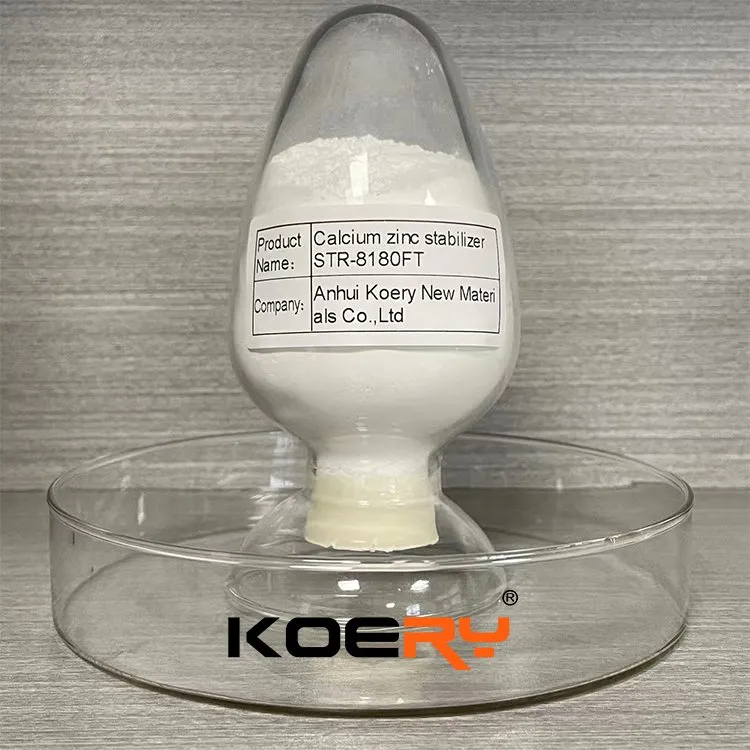
Calcium zinc heat stabilizers are a type of additive that you mix into PVC resin. They're made up of calcium and zinc salts, along with other organic compounds. These components work together to prevent the degradation of PVC when it's heated.
The Key Functions
1. Preventing Thermal Degradation
The primary function of calcium zinc heat stabilizers is to stop PVC from degrading when it's exposed to high temperatures. When PVC is heated, it can release hydrogen chloride gas. This not only causes the PVC to change color, usually turning yellow, brown, or even black, but it also weakens the material. Calcium zinc stabilizers react with the hydrogen chloride that's trying to form, neutralizing it before it can cause any damage. This keeps the PVC looking good and maintaining its mechanical properties, like strength and flexibility.
For example, when manufacturing PVC pipes, the extrusion process involves high temperatures. Without a proper heat stabilizer, the pipes would come out discolored and brittle, which is a big no - no. Our Heat Stabilizer for PVC Pipe Fittings is specifically formulated to ensure that the pipes are not only heat - resistant but also have a long service life.
2. Improving Processing Stability
In the manufacturing of PVC products, processing is a crucial step. During processes like extrusion, injection molding, or calendering, the PVC needs to flow smoothly through the equipment. Calcium zinc heat stabilizers help in this regard by improving the melt flow properties of PVC.
They reduce the viscosity of the PVC melt, which means it can be pushed through the molds and dies more easily. This leads to faster production speeds and less wear and tear on the manufacturing equipment. For cable manufacturers, our Calcium Zinc Stabilizer for Cable helps in creating cable sheaths that are uniform in thickness and have excellent electrical insulation properties because of the improved processing stability.
3. Enhancing Weather Resistance
PVC products are often used outdoors, where they're exposed to sunlight, rain, and extreme temperatures. Calcium zinc heat stabilizers can also enhance the weather resistance of PVC. They help protect the PVC from the effects of UV radiation, which can cause the material to become brittle and crack over time.
By adding a calcium zinc stabilizer, the PVC can maintain its integrity even when it's constantly exposed to the elements. Our Heat Stabilizer for PVC Drainage Pipes is designed to ensure that the drainage pipes can withstand years of outdoor use without deteriorating.
4. Promoting Environmental Friendliness
Another great function of calcium zinc heat stabilizers is that they're more environmentally friendly compared to some other types of heat stabilizers. Traditional lead - based stabilizers, for example, have been found to be toxic and harmful to the environment. Calcium zinc stabilizers are non - toxic and comply with various environmental regulations.
This makes them a popular choice for industries that are looking to reduce their environmental impact. As consumers become more conscious of the products they use and their environmental footprint, using calcium zinc heat stabilizers can be a great selling point for manufacturers.

Different Applications and Their Specific Requirements
Calcium zinc heat stabilizers are used in a wide range of applications, and each one has its own specific requirements.
In the construction industry, PVC pipes for water supply, drainage, and electrical conduits need to have high heat and pressure resistance. The stabilizers used in these pipes need to be able to withstand the high temperatures during the manufacturing process and the harsh conditions in the ground or in building structures.
For the automotive industry, PVC is used in interior trims, cables, and hoses. The heat stabilizers here need to not only provide heat resistance but also be compatible with other additives and materials used in the automotive components.
In the packaging industry, PVC films and sheets are used for food packaging, blister packs, and other applications. The stabilizers used in these products need to be food - grade and safe for direct contact with food.
Why Choose Our Calcium Zinc Heat Stabilizers
As a supplier, we take pride in offering high - quality calcium zinc heat stabilizers. Our products are formulated using the latest technology and the best raw materials. We have a team of experts who are constantly researching and developing new formulations to meet the changing needs of our customers.
We understand that different applications require different properties from the stabilizers. That's why we offer a wide range of products, each tailored to a specific use. Whether you're manufacturing PVC pipes, cables, or any other PVC product, we have a stabilizer that's right for you.
Time to Connect
If you're in the market for calcium zinc heat stabilizers, I'd love to talk to you. We can have a chat about your specific requirements and recommend the best product for your application. Whether you're a small - scale manufacturer or a large industrial company, we're here to support you. So, don't hesitate to reach out and start a discussion about your procurement needs.
References
- "Plastic Additives Handbook" by Hans Zweifel
- "PVC Technology" by W. V. Titow