

Hey there! As a supplier of PVC heat stabilizers, I've been getting a lot of questions lately about the role these stabilizers play in PVC wire insulation. So, I thought I'd sit down and write a blog post to clear things up.
Let's start with the basics. PVC, or polyvinyl chloride, is a widely used plastic in the wire and cable industry. It's popular because it's affordable, flexible, and has good electrical insulation properties. But here's the catch: PVC isn't very stable on its own, especially when it's exposed to heat. That's where PVC heat stabilizers come in.
The Problem with Unstabilized PVC
When PVC is heated during processing or in use, it can start to break down. This breakdown is mainly due to the elimination of hydrogen chloride (HCl) from the PVC polymer chain. This process, known as dehydrochlorination, not only releases a toxic gas but also leads to the formation of double bonds in the polymer structure. These double bonds cause the PVC to turn yellow, become brittle, and lose its mechanical and electrical properties.
Imagine you're manufacturing PVC wires. During the extrusion process, the PVC compound needs to be heated to a certain temperature to make it malleable and form it into the desired shape. Without a heat stabilizer, the PVC would start to degrade right there on the production line. The wires would come out looking discolored, with reduced flexibility and insulation performance. And if these wires were used in electrical applications, they could pose a serious safety hazard.
How PVC Heat Stabilizers Work
PVC heat stabilizers work by preventing or delaying the dehydrochlorination process. There are different types of heat stabilizers, but the most common ones are lead-based, calcium-zinc-based, and organic-based stabilizers.
Lead-Based Stabilizers
Lead-based stabilizers have been around for a long time and are known for their excellent heat stability. They work by reacting with the HCl released during PVC degradation, forming lead chloride. This reaction helps to neutralize the HCl and prevent further degradation of the PVC. However, lead is a heavy metal and is considered toxic to humans and the environment. So, in recent years, there has been a growing trend towards using more environmentally friendly alternatives.
Calcium-Zinc-Based Stabilizers
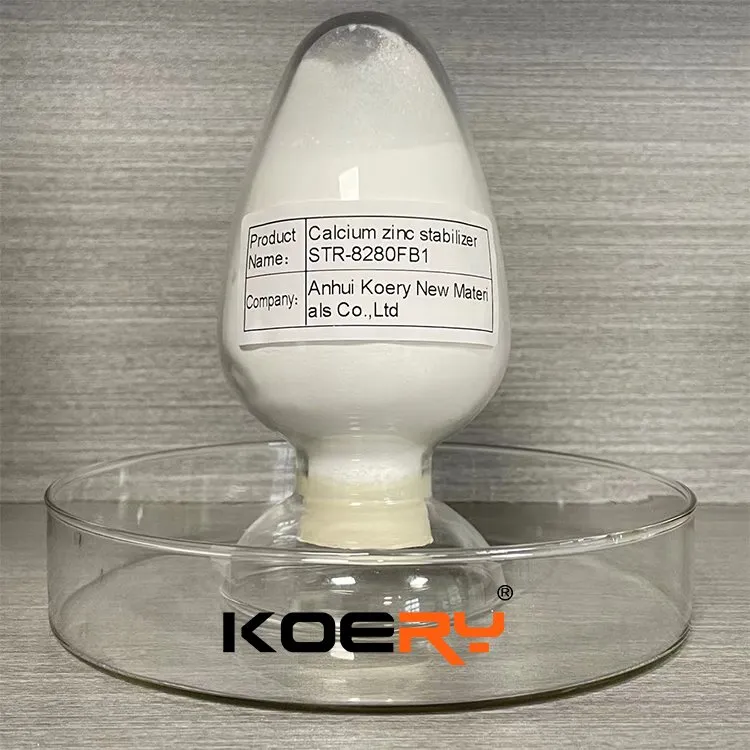
Calcium-zinc-based stabilizers are a popular choice these days. They are non-toxic and offer good heat stability. These stabilizers work by a combination of mechanisms. The calcium component reacts with the HCl to form calcium chloride, while the zinc component helps to regenerate the calcium compound and also provides additional heat stability. Calcium-zinc stabilizers are also compatible with other additives commonly used in PVC formulations, making them a versatile option. If you're interested in a Heat Stabilizer for PVC Wire, our calcium-zinc-based stabilizers are a great choice.
Organic-Based Stabilizers
Organic-based stabilizers are another alternative. They are typically made from organic compounds such as epoxides, phosphites, and polyols. These stabilizers work by scavenging free radicals and reacting with the HCl. Organic stabilizers are often used in combination with other stabilizers to enhance their performance. They are also suitable for applications where a high degree of transparency is required, as they don't cause discoloration of the PVC.
The Role of PVC Heat Stabilizers in PVC Wire Insulation
Now that we know how PVC heat stabilizers work, let's talk about their specific role in PVC wire insulation.
Maintaining Electrical Insulation Properties
One of the most important functions of PVC wire insulation is to provide electrical insulation. When PVC degrades due to heat, its electrical insulation properties can be significantly reduced. This can lead to electrical leakage, short circuits, and even electrical fires. PVC heat stabilizers help to maintain the integrity of the PVC insulation by preventing degradation. They ensure that the wires can safely carry electrical current without any loss of insulation performance.

Improving Mechanical Properties
PVC wire insulation also needs to have good mechanical properties, such as flexibility and toughness. When PVC becomes brittle due to heat degradation, it can crack and break easily. This can expose the electrical conductors inside the wire, posing a safety risk. Heat stabilizers help to maintain the mechanical properties of the PVC insulation by preventing it from becoming brittle. They ensure that the wires can withstand bending, twisting, and other mechanical stresses without damage.
Enhancing Weather Resistance
In addition to heat, PVC wire insulation may also be exposed to other environmental factors such as sunlight, moisture, and chemicals. These factors can also cause degradation of the PVC. Heat stabilizers can help to enhance the weather resistance of the PVC insulation by providing additional protection against these environmental factors. They can prevent the PVC from discoloring, cracking, and losing its mechanical and electrical properties when exposed to sunlight, moisture, and chemicals.
Meeting Regulatory Requirements
The wire and cable industry is highly regulated, and there are strict standards and regulations regarding the safety and performance of PVC wire insulation. PVC heat stabilizers play an important role in helping manufacturers meet these regulatory requirements. For example, many countries have banned the use of lead-based stabilizers in PVC wire insulation due to their toxicity. Calcium-zinc-based and organic-based stabilizers are often used as alternatives to meet these regulatory requirements.
Applications of PVC Heat Stabilizers in Different Types of PVC Products
PVC heat stabilizers are not only used in PVC wire insulation but also in other PVC products. Here are some examples:
PVC Drainage Pipes
PVC drainage pipes are used to carry wastewater and stormwater. They need to be able to withstand the pressure of the water flow and the corrosive effects of the wastewater. Heat stabilizers help to ensure that the PVC pipes have good mechanical properties and chemical resistance. If you're in the market for a Heat Stabilizer for PVC Drainage Pipes, we have a range of products that can meet your needs.
PVC Foam Board
PVC foam board is a lightweight and versatile material that is used in a variety of applications, such as signage, advertising, and construction. Heat stabilizers help to prevent the PVC foam board from degrading during the foaming process and ensure that it has good dimensional stability and surface quality. Check out our Heat Stabilizer for PVC Foam Board if you're interested in this application.
Conclusion
In conclusion, PVC heat stabilizers play a crucial role in PVC wire insulation. They prevent the degradation of PVC due to heat, maintain its electrical and mechanical properties, enhance its weather resistance, and help manufacturers meet regulatory requirements. As a supplier of PVC heat stabilizers, we are committed to providing high-quality products that can meet the needs of our customers in the wire and cable industry and other PVC product applications.
If you're interested in learning more about our PVC heat stabilizers or have any questions about their application in your products, please don't hesitate to contact us. We'd be happy to have a chat with you and discuss how we can help you improve the performance and quality of your PVC products.
References
- "Plastic Additives Handbook" by Hans Zweifel
- "Polyvinyl Chloride (PVC) Technology" by W. V. Titow