


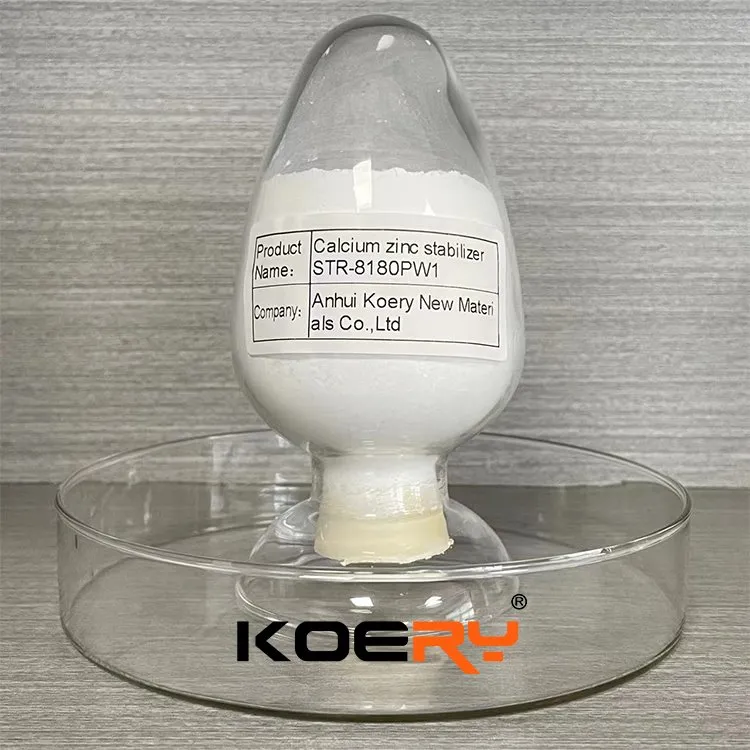
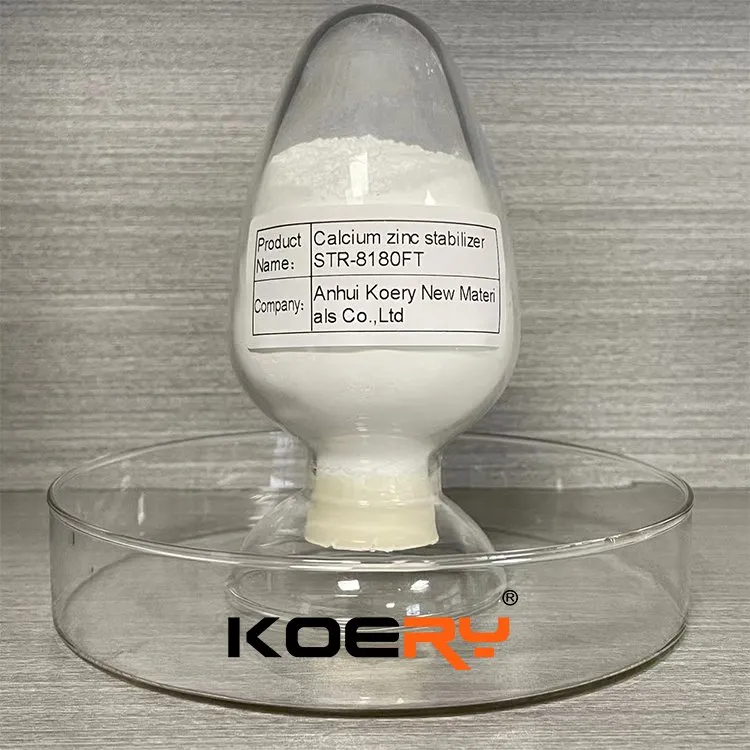
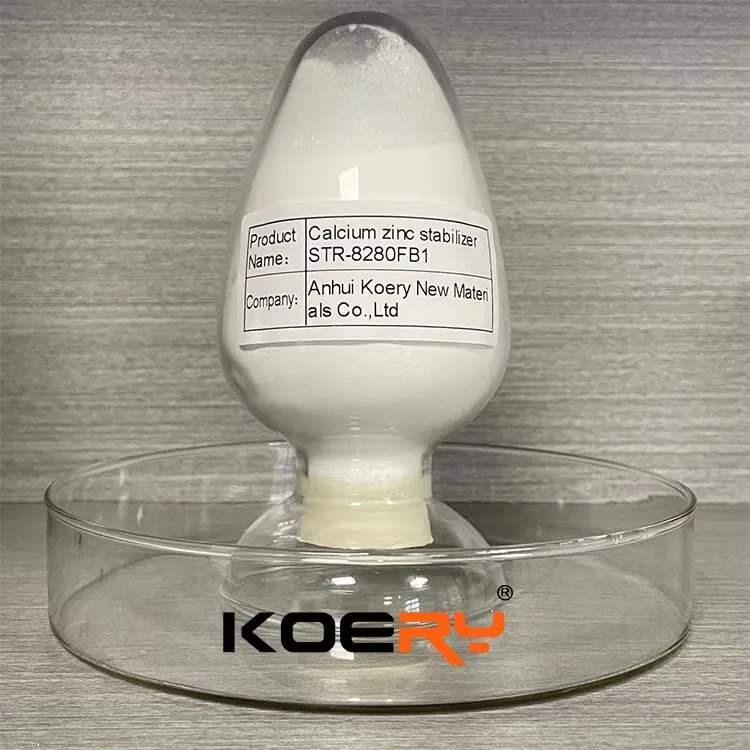
Calcium zinc stabilizer is a type of additive commonly used in the manufacturing of PVC pipes to enhance their thermal stability and prevent degradation during processing and service life. This stabilizer formulation typically consists of a blend of calcium and zinc compounds, along with other additives such as lubricants and antioxidants. In PVC pipe production, calcium zinc stabilizers play a crucial role in preventing thermal degradation, which can occur due to exposure to high temperatures during processing or prolonged exposure to heat and sunlight in outdoor applications. By effectively inhibiting the thermal degradation reactions, calcium zinc stabilizers help maintain the structural integrity and performance of PVC pipes over time.
Advantages of Calcium Zinc Stabilizer for PVC Pipes
Environmentally friendly
Calcium zinc stabilizers are considered more environmentally friendly than lead-based stabilizers because they do not contain heavy metals such as lead or cadmium. This makes them safer for human health and the environment, reducing the risk of contamination during production, use, and disposal of PVC pipes.
Improved thermal stability
Calcium zinc stabilizers provide excellent thermal stability to PVC pipes, protecting them from thermal degradation during processing and service life. This helps maintain the structural integrity and performance of PVC pipes, even under high-temperature conditions encountered during installation, operation, and exposure to sunlight.
Enhanced UV resistance
Calcium zinc stabilizers can improve the UV resistance of PVC pipes, reducing the risk of degradation and discoloration caused by prolonged exposure to sunlight. This is particularly advantageous for outdoor applications where PVC pipes are exposed to harsh environmental conditions, such as in irrigation systems, outdoor drainage, and sewerage networks.
Versatility
Calcium zinc stabilizers are versatile additives that can be tailored to meet specific application requirements and processing conditions. They can be used in various PVC formulations for different types of pipes, profiles, and fittings, offering flexibility and versatility to in adapting to market demands.





Why Choose US
R&D
Invests heavily in R&D, continuously improving their product offerings and staying at the forefront of new material technology. Their dedication to innovation means customers can benefit from cutting-edge solutions.
Customization services
They provide customization services to meet specific customer requirements, ensuring that clients receive products that exactly fit their needs.
Experienced team
The company employs a team of experienced professionals with expertise in new material technologies, ensuring that their products and services are backed by deep knowledge and technical proficiency.
24h online service
We try and respond to all concerns within 24 hours and our teams are always at your disposal in case of any emergencies.
How Does Calcium Zinc Stabilizer Function in PVC Pipes
Thermal stabilization: Calcium zinc stabilizers act as heat stabilizers, protecting PVC pipes from thermal degradation that can occur during processing, such as extrusion or molding, as well as during service life when exposed to elevated temperatures. They do this by scavenging reactive intermediates formed during PVC degradation, thus preventing chain scission and maintaining the integrity of the polymer chains.
Acid scavenging: During PVC processing or when exposed to environmental factors such as heat and UV radiation, PVC can undergo hydrochlorination, leading to the formation of hydrochloric acid (HCl). Calcium zinc stabilizers help neutralize and remove HCl by reacting with it to form stable calcium and zinc chlorides. This prevents acid-induced degradation of PVC and minimizes the risk of discoloration, loss of mechanical properties, and embrittlement in PVC pipes.
Synergistic effects: Calcium zinc stabilizers often contain synergistic additives such as antioxidants, lubricants, and processing aids that work in concert to provide comprehensive stabilization to PVC pipes. Antioxidants help protect PVC from oxidative degradation, while lubricants aid in processing by reducing friction and improving melt flow properties. These synergistic effects enhance the overall performance and durability of PVC pipes.
UV protection: Some calcium zinc stabilizers also offer UV protection, helping to mitigate the effects of UV radiation on PVC pipes exposed to outdoor environments. By absorbing or scattering UV radiation, these stabilizers prevent photooxidative degradation of PVC, which can lead to surface chalking, embrittlement, and loss of mechanical properties over time.
Regulatory compliance: Calcium zinc stabilizers are preferred for PVC pipes due to their compliance with regulatory restrictions on heavy metals such as lead and cadmium. Unlike lead-based stabilizers, calcium zinc stabilizers do not pose environmental or health risks associated with heavy metal contamination, making them safer and more environmentally friendly choices for PVC pipe production.

What Are the Key Properties of Calcium Zinc Stabilizer for PVC Pipes
The key properties of calcium zinc stabilizers for PVC pipes are crucial for ensuring effective stabilization, processing efficiency, and compliance with regulatory standards. These properties include excellent thermal stability, which protects PVC pipes from thermal degradation during processing and service life, preventing chain scission and maintaining polymer integrity under high temperatures. Additionally, calcium zinc stabilizers possess strong acid scavenging capabilities, neutralizing hydrochloric acid generated during PVC degradation and preventing acid-induced deterioration. Some formulations also offer UV resistance, shielding PVC pipes from UV radiation in outdoor applications to prevent photooxidative degradation and maintain mechanical properties. Synergistic additives like antioxidants and lubricants enhance stabilization and processing characteristics, while environmental compliance ensures adherence to regulations regarding heavy metal content, making calcium zinc stabilizers a safe and eco-friendly choice. Their compatibility with various PVC formulations and cost-effectiveness further contribute to their suitability for PVC pipe manufacturing, facilitating efficient production processes and high-quality end products.
Can Calcium Zinc Stabilizer Improve the Thermal Stability of PVC Pipes
Calcium zinc stabilizers can improve the thermal stability of PVC pipes. These stabilizers function by inhibiting degradation reactions that occur in PVC when exposed to high temperatures during processing or service life. They play a crucial role in preventing thermal degradation by scavenging acidic by-products, such as hydrochloric acid (HCl), which are generated during PVC degradation. By neutralizing HCl, calcium zinc stabilizers help prevent further degradation reactions, thus maintaining the chemical integrity of PVC pipes at elevated temperatures. Additionally, they mitigate chain scission in PVC polymers, reducing molecular weight loss and preserving mechanical properties. Furthermore, calcium zinc stabilizers often contain antioxidants that scavenge free radicals and inhibit oxidative degradation, thereby enhancing the overall thermal stability of PVC pipes. the inclusion of calcium zinc stabilizers in PVC formulations significantly contributes to improving the thermal stability of PVC pipes, ensuring their durability and performance in various applications, even under high-temperature conditions.

Features of Calcium Zinc Stabilizer for PVC Pipes

Thermal stability
Calcium zinc stabilizers provide excellent thermal stability to PVC pipes, protecting them from degradation at high temperatures encountered during processing and service life. This ensures the integrity and performance of PVC pipes even under elevated temperature conditions.
Acid scavenging
These stabilizers efficiently neutralize and scavenge acidic by-products, such as hydrochloric acid (HCl), generated during PVC degradation. By preventing the accumulation of acids, calcium zinc stabilizers help inhibit degradation reactions and maintain the chemical integrity of PVC pipes.
UV resistance
Some formulations of calcium zinc stabilizers offer UV resistance, protecting PVC pipes from the harmful effects of ultraviolet (UV) radiation in outdoor applications. This helps prevent UV-induced degradation, such as discoloration and loss of mechanical properties, ensuring long-term durability of PVC pipes exposed to sunlight.
Synergistic additives
Calcium zinc stabilizers often contain synergistic additives, such as antioxidants and lubricants, that work together to provide comprehensive stabilization and processing benefits. These additives enhance oxidative stability, reduce friction during processing, and improve the overall performance of PVC pipes..
The Manufacturing Process of Calcium Zinc Stabilizer for PVC Pipes
Raw material preparation
These materials typically include calcium compounds (such as calcium hydroxide or calcium oxide), zinc compounds (such as zinc oxide or zinc chloride), and other additives (such as fatty acids, lubricants, and antioxidants). These raw materials are sourced from suppliers and undergo quality control checks to ensure they meet specifications.
Blending
In this step, the raw materials are carefully weighed and blended according to the desired formulation. The blending process is critical to ensure uniform distribution of ingredients and achieve the desired properties in the final product. The exact formulation may vary depending on the specific requirements of the PVC pipe application and the desired performance characteristics of the stabilizer.
Reaction
Once the raw materials are blended, they are subjected to a chemical reaction to produce the calcium zinc stabilizer. The reaction typically involves the reaction of calcium compounds with zinc compounds to form stable calcium zinc complexes. This reaction may occur under controlled conditions of temperature, pressure, and pH to optimize the formation of the desired stabilizer compounds.
Formulation
After the reaction is complete, the resulting calcium zinc stabilizer is formulated into a suitable product form for use in PVC pipe manufacturing. This may involve additional processing steps such as milling, granulation, or pelletization to produce a fine powder, granules, or pellets that are easily dispersible in PVC resin formulations.
Packaging and storage
Once the manufacturing process is complete and the calcium zinc stabilizer has passed quality control checks, it is packaged into appropriate containers for storage and distribution. The stabilizer may be packaged in bags, drums, or other containers suitable for handling and transportation.
How Does the Choice of Calcium Zinc Stabilizer Affect the Performance of PVC Pipes
The choice of calcium zinc stabilizer profoundly influences the performance of PVC pipes across various aspects. Firstly, the thermal stability of PVC pipes is significantly affected by the selection of stabilizer. Optimal stabilizers offer superior protection against thermal degradation, ensuring the structural integrity and performance of PVC pipes even under high-temperature conditions during processing and service life. Moreover, the efficiency of acid scavenging varies among stabilizers, impacting their ability to prevent acidic by-products' formation and subsequent degradation of PVC pipes. Stabilizers with robust acid scavenging capability maintain the chemical integrity of PVC, extending its service life and reducing the risk of mechanical failure. Additionally, some stabilizers provide UV resistance, shielding PVC pipes from UV radiation in outdoor applications to prevent degradation and maintain aesthetics. Compatibility with PVC resins and processing conditions also influences stabilizers' effectiveness, ensuring smooth processing and consistent performance, which is vital for producing high-quality PVC pipes. Furthermore, the mechanical properties of PVC pipes, including tensile strength, impact resistance, and flexibility, are influenced by the choice of stabilizer. Properly formulated stabilizers preserve mechanical properties, enabling PVC pipes to meet performance requirements and withstand operational stresses.


Why Is a Calcium Zinc Stabilizer Used in PVC Pipes
A Calcium Zinc Stabilizer is commonly used in PVC (Polyvinyl Chloride) pipes due to its several beneficial properties and functions. Firstly, it enhances the thermal stability of PVC, protecting it from degradation during processing and throughout its service life. This stabilizer effectively prevents the breakdown of PVC polymer chains, even under high-temperature conditions encountered during manufacturing processes like extrusion or molding, and when exposed to elevated temperatures in applications such as hot water supply or industrial piping. Additionally, Calcium Zinc Stabilizers act as acid scavengers, neutralizing acidic by-products like hydrochloric acid (HCl) that can form during PVC degradation. By inhibiting the accumulation of acidic compounds, they help preserve the chemical integrity and mechanical properties of PVC pipes, extending their longevity and reducing the risk of failure. Some formulations of Calcium Zinc Stabilizers also offer UV resistance, protecting PVC pipes from the harmful effects of ultraviolet (UV) radiation, especially in outdoor applications where UV exposure can lead to discoloration, embrittlement, and degradation.
Can Calcium Zinc Stabilizer Enhance the Color Stability of PVC Pipes
Calcium zinc stabilizers can enhance the color stability of PVC pipes. One of the factors contributing to color instability in PVC pipes is thermal degradation, which can lead to discoloration or yellowing of the material. Calcium zinc stabilizers help prevent thermal degradation by inhibiting chain scission and the formation of discoloration-causing compounds. By maintaining the structural integrity of the PVC polymer chains, these stabilizers contribute to preserving the original color of PVC pipes over time.
Additionally, some calcium zinc stabilizers contain UV stabilizing additives that provide protection against ultraviolet (UV) radiation, which can also contribute to color fading or changes in PVC materials exposed to sunlight. By mitigating the effects of UV radiation, these stabilizers help maintain the color stability of PVC pipes in outdoor applications.
Furthermore, calcium zinc stabilizers can help prevent the formation of acidic by-products during PVC degradation, such as hydrochloric acid (HCl). Acidic compounds can accelerate color changes in PVC materials, so by acting as acid scavengers, calcium zinc stabilizers help preserve the color stability of PVC pipes by minimizing the impact of acidic degradation products.

How Is the Dosage of Calcium Zinc Stabilizer Determined for PVC Pipes
Formulation requirements: The dosage of calcium zinc stabilizer is influenced by the specific formulation requirements of the PVC compound. This includes factors such as the type and concentration of PVC resin, additives (such as plasticizers and fillers), and any other additives that may interact with the stabilizer.
Stabilizer performance: The performance characteristics of the calcium zinc stabilizer, including its thermal stability, acid scavenging capability, UV resistance, and synergistic effects with other additives, are considered when determining the dosage. Higher quality stabilizers may require lower dosages to achieve the desired level of stabilization.
Processing conditions: The dosage of calcium zinc stabilizer is also influenced by the processing conditions used during PVC pipe manufacturing, such as extrusion temperature, residence time, and shear rate. Higher processing temperatures or longer residence times may require higher stabilizer dosages to ensure adequate stabilization.
Performance requirements: The intended performance requirements of the PVC pipes, such as thermal stability, color stability, mechanical properties, and long-term durability, play a significant role in determining the stabilizer dosage. Higher performance requirements may necessitate higher stabilizer dosages to meet these criteria.
Trial and error: In many cases, the optimal stabilizer dosage for a specific PVC formulation and processing conditions may be determined through trial and error. Manufacturers may conduct experiments and tests to assess the performance of different stabilizer dosages and select the dosage that provides the best balance of stabilization, processing characteristics, and performance.
Can Calcium Zinc Stabilizers Be Used with Other PVC Additives
Calcium zinc stabilizers can be used with other PVC additives commonly employed in PVC pipe manufacturing. These stabilizers are often formulated to be compatible with a wide range of additives to achieve specific performance requirements and processing characteristics. Some of the common additives that can be used in conjunction with calcium zinc stabilizers include:
Plasticizers: Plasticizers are added to PVC formulations to improve flexibility, impact resistance, and processability. Calcium zinc stabilizers can be used in combination with plasticizers to achieve the desired balance of mechanical properties and processing characteristics in PVC pipes.
Fillers: Fillers such as calcium carbonate, talc, or glass fibers are often added to PVC compounds to improve stiffness, dimensional stability, and cost-effectiveness. Calcium zinc stabilizers can be incorporated into PVC formulations containing fillers to provide stabilization and maintain performance properties.
Lubricants: Lubricants are added to PVC formulations to reduce friction and improve flow properties during processing. Calcium zinc stabilizers can be used with lubricants to facilitate smooth processing and enhance the dispersion of additives in the PVC matrix.
Impact modifiers: Impact modifiers are additives used to improve the impact strength and toughness of PVC materials, especially at low temperatures. Calcium zinc stabilizers can be combined with impact modifiers to enhance the overall mechanical performance of PVC pipes, particularly in demanding applications.
UV stabilizers: UV stabilizers are added to PVC formulations to protect against UV degradation and prevent color fading or embrittlement in outdoor applications. Calcium zinc stabilizers can be used in conjunction with UV stabilizers to provide comprehensive protection against UV radiation and maintain the long-term durability of PVC pipes.
Processing aids: Processing aids are additives used to improve the processing characteristics of PVC materials, such as melt flow, fusion, and surface quality. Calcium zinc stabilizers can be compatible with processing aids to optimize processing conditions and enhance the overall efficiency of PVC pipe manufacturing.
How should calcium zinc stabilizers be stored
Dry environment
Calcium zinc stabilizers should be stored in a dry environment to prevent moisture absorption, which can lead to degradation and loss of effectiveness. Moisture can cause chemical reactions within the stabilizer, reducing its stability and performance.
Cool temperature
Stabilizers should be stored at a cool temperature, preferably below room temperature, to minimize the risk of thermal degradation. Elevated temperatures can accelerate chemical reactions and decrease the shelf life of the stabilizer.
Avoid direct sunlight
Stabilizers should be protected from direct sunlight or exposure to UV radiation, as this can degrade the stabilizer and reduce its effectiveness over time. Storing stabilizers in opaque containers or in a dark storage area can help prevent UV exposure.
Airtight containers
Stabilizers should be stored in airtight containers to prevent oxidation and contamination. Exposure to air can lead to the formation of oxides or other compounds that may affect the stability and performance of the stabilizer.
Avoid contaminants
Stabilizers should be stored away from sources of contamination, such as chemicals, dust, or other foreign particles, which can affect the quality and purity of the stabilizer. Storing stabilizers in clean, dedicated storage areas can help minimize the risk of contamination.
Regular inspection
It's important to regularly inspect stored stabilizers for signs of degradation, moisture ingress, or other abnormalities. Any damaged or compromised containers should be replaced, and the stabilizer should be properly disposed of according to regulations if it shows signs of deterioration.
How to Use Calcium Zinc Stabilizer for PVC Pipes
Determine the formulation of the PVC compound, considering factors such as the type and grade of PVC resin, desired mechanical properties, processing conditions, and regulatory requirements. Calculate the appropriate dosage of calcium zinc stabilizer based on the formulation requirements and performance goals.
Preparation of raw materials
Ensure that all raw materials, including PVC resin, additives, and calcium zinc stabilizer, are properly prepared and stored according to manufacturer guidelines. This includes confirming the quality and purity of the stabilizer and other additives.
Mixing and compounding
Mix the PVC resin, additives, and calcium zinc stabilizer together in a compounding mixer or blender. Ensure thorough blending to achieve uniform dispersion of the stabilizer throughout the PVC matrix. The mixing time and temperature may vary depending on the specific formulation and processing conditions.
Extrusion or molding
Process the compounded PVC formulation using extrusion or molding equipment to form the desired shape of PVC pipes. Follow standard procedures for PVC processing, including controlling temperature, pressure, and residence time to ensure optimal stabilization and uniformity of the final product.
Packaging and storage
Once the PVC pipes are manufactured, package them appropriately for storage and distribution. Store the pipes in a dry, cool environment away from direct sunlight and sources of contamination. Proper labeling and documentation should be provided for traceability and regulatory compliance.
What Are the Effects of Varying Concentrations of Calcium Zinc Stabilizer in PVC Pipes
The effects of varying concentrations of calcium zinc stabilizer in PVC pipes are multifaceted and crucial for achieving optimal performance and durability. Firstly, adjusting the concentration influences thermal stability, with higher concentrations enhancing resistance to thermal degradation during processing and service life. Additionally, varying concentrations impact acid scavenging capability, where increased levels of stabilizer improve neutralization of acidic by-products, preserving PVC's chemical integrity. Moreover, concentration adjustments affect UV resistance, crucial for outdoor applications, as higher concentrations provide better protection against UV-induced degradation, prolonging the pipes' lifespan. Mechanical properties, including tensile strength and impact resistance, are also influenced, with optimal concentrations ensuring desired strength and flexibility. Processing characteristics, such as melt viscosity and flowability, are likewise affected, necessitating careful adjustment to maintain smooth manufacturing processes. Lastly, varying concentrations have implications for environmental compliance and sustainability, as finding the right balance ensures adherence to regulations while minimizing environmental impact. the concentration of calcium zinc stabilizer in PVC pipes plays a pivotal role in determining their thermal stability, chemical integrity, UV resistance, mechanical properties, processing characteristics, and environmental footprint, highlighting the importance of precise dosage optimization for optimal performance and sustainability.
Our Factory
Since 2003, our company has been specializing in the R&D, production and sales of plastic additives (PVC environment-friendly calcium zinc stabilizer, plastic special lubricant, special foaming agent). The self built factories Anhui Koery New Materials Co., Ltd (Economic Development Zone, Susong County, Anhui Province, China) and Anhui Guangyu New Material Technology Co., Ltd (Polymer Industrial Park, Zhangbaling Town, Mingguang City, Anhui Province, China) have a total registered capital of 25 million yuan, covering an area of 50 mu. And have mature plastic additive production lines and supporting R&D equipment, and the annual production capacity of various types of plastic additives reaches 40000 tons


FAQ
Q: What is a calcium zinc stabilizer?
Q: Why is a calcium zinc stabilizer used in PVC pipes?
Q: How does a calcium zinc stabilizer work in PVC?
Q: What are the advantages of using calcium zinc stabilizers?
Q: How is a calcium zinc stabilizer formulated?
Q: What is the difference between calcium zinc and lead stabilizers?
Q: How do I choose the right calcium zinc stabilizer for PVC pipes?
Q: Are there any health or environmental concerns with using calcium zinc stabilizers?
Q: How should calcium zinc stabilizers be stored?
Q: How does the compatibility of the calcium zinc stabilizer with other additives affect the composite?
Q: How is the dosage of calcium zinc stabilizer determined for PVC pipes?
Q: Can calcium zinc stabilizers be used with other PVC additives?
Q: What is the impact of processing conditions on the effectiveness of calcium zinc stabilizers?
Q: How do I evaluate the performance of calcium zinc stabilizers in PVC pipes?
Q: Are there any alternatives to calcium zinc stabilizers for PVC pipes?
Q: How do calcium zinc stabilizers affect the recyclability of PVC pipes?
Q: Can calcium zinc stabilizers be used in food contact applications involving PVC?
Q: How do I dispose of unused or spent calcium zinc stabilizers properly?
Q: What is the trend in the development of calcium zinc stabilizers for PVC?
Q: Can calcium zinc stabilizers be used to modify the surface properties of PVC pipes?
Hot Tags: calcium zinc stabilizer for pvc pipes, China calcium zinc stabilizer for pvc pipes manufacturers, suppliers, factory, exporter of calcium zinc stabilizer, color retention stabilizer, industrial grade calcium zinc stabilizer, fitting Stabilizers, zinc based stabilizer, processing lubricant


