

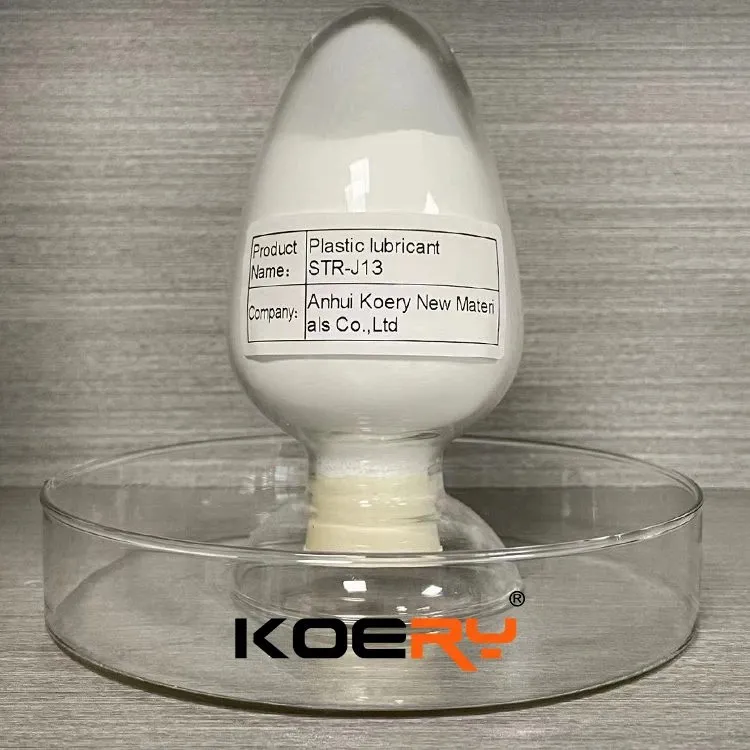
Microcrystalline wax is a type of wax derived from petroleum refining, characterized by its fine crystalline structure and high melting point. Unlike paraffin wax, which consists mainly of straight-chain hydrocarbons, microcrystalline wax contains a higher proportion of branched and cyclic hydrocarbons, resulting in a more complex molecular structure. This complexity gives microcrystalline wax unique properties, including higher viscosity, flexibility, and resistance to moisture and temperature fluctuations compared to paraffin wax. Microcrystalline wax is widely used in various industrial applications due to its versatility and desirable properties. In the cosmetic and personal care industry, it is commonly used in formulations for lipsticks, lip balms, creams, and lotions due to its emollient properties and ability to provide a smooth, glossy finish. In the packaging industry, microcrystalline wax is utilized as a coating or barrier material to improve moisture resistance and provide protection for paper, cardboard, and corrugated board packaging.
Advantages of Microcrystalline Wax
Higher melting point
Microcrystalline wax has a higher melting point compared to paraffin wax, making it more suitable for applications requiring resistance to high temperatures. This characteristic allows microcrystalline wax to remain solid at elevated temperatures, providing stability and durability in hot environments.
Flexibility
Due to its fine crystalline structure and molecular composition, microcrystalline wax exhibits greater flexibility and pliability than paraffin wax. This flexibility makes it ideal for applications where bending, stretching, or shaping is required, such as in adhesives, coatings, and sealants.
Adhesion properties
Microcrystalline wax has excellent adhesion properties, allowing it to bond well with various substrates, including paper, cardboard, metal, and plastic. This adhesion makes microcrystalline wax suitable for use in packaging materials, laminates, and adhesive formulations, where strong bonding is essential.
Water resistance
Microcrystalline wax is inherently resistant to moisture and water penetration, making it suitable for applications requiring waterproofing or moisture barrier properties. This resistance to water makes microcrystalline wax ideal for use in coatings, sealants, and protective finishes for outdoor or marine applications.


Why Choose US
R&D
Invests heavily in R&D, continuously improving their product offerings and staying at the forefront of new material technology. Their dedication to innovation means customers can benefit from cutting-edge solutions.
Customization services
They provide customization services to meet specific customer requirements, ensuring that clients receive products that exactly fit their needs.
Experienced team
The company employs a team of experienced professionals with expertise in new material technologies, ensuring that their products and services are backed by deep knowledge and technical proficiency.
24h online service
We try and respond to all concerns within 24 hours and our teams are always at your disposal in case of any emergencies.
How Is Microcrystalline Wax Different from Paraffin Wax
Microcrystalline wax and paraffin wax are both types of petroleum-derived waxes, but they have distinct differences in their chemical composition, physical properties, and applications. Here are some key differences between microcrystalline and paraffin wax:
Chemical composition
- Microcrystalline wax: Microcrystalline wax has a more complex molecular structure compared to paraffin wax. It contains a higher proportion of branched and cyclic hydrocarbons, along with some impurities such as oils and resins.
- Paraffin wax: Paraffin wax consists primarily of straight-chain saturated hydrocarbons (alkanes), with little to no branching or cyclic structures. It is typically more pure than microcrystalline wax, with fewer impurities.
Melting point
- Microcrystalline wax: Microcrystalline wax has a higher melting point than paraffin wax, typically ranging from 60°C to 90°C (140°F to 194°F). This higher melting point makes microcrystalline wax more suitable for applications requiring resistance to higher temperatures.
- Paraffin wax: Paraffin wax has a lower melting point compared to microcrystalline wax, typically ranging from 46°C to 68°C (115°F to 154°F). It melts at lower temperatures and is softer and more easily pliable than microcrystalline wax.
Physical properties
- Microcrystalline wax: Microcrystalline wax has a finer crystalline structure and is more flexible and adhesive than paraffin wax. It also tends to be denser and less prone to shrinkage than paraffin wax.
- Paraffin wax: Paraffin wax has a coarser crystalline structure and is more brittle and less adhesive than microcrystalline wax. It has a smoother texture and is easier to work with in applications requiring molding or shaping.
Applications
- Microcrystalline wax: Microcrystalline wax is often preferred for applications requiring higher melting points, flexibility, adhesion, and water resistance. It is commonly used in industries such as cosmetics (lipsticks, creams), packaging (coatings, laminates), adhesives, rubber compounding, and candles.
- Paraffin wax: Paraffin wax is widely used in applications where lower melting points and softer textures are desirable, such as candle making, food packaging (coatings, wraps), pharmaceuticals (ointments, creams), and crayons. It is also used in industrial applications such as lubricants and electrical insulation.
While both microcrystalline and paraffin wax are valuable materials with various industrial applications, their differences in composition and properties make them suitable for different purposes and requirements.
Materials Used in Microcrystalline Wax
Microcrystalline wax is primarily composed of saturated hydrocarbons, but it may also contain small amounts of other materials depending on the refining and processing methods used. The main materials found in microcrystalline wax include:
Saturated hydrocarbons
The majority of microcrystalline wax consists of saturated hydrocarbons, which are long-chain molecules composed of carbon and hydrogen atoms. These hydrocarbons are typically branched or cyclic in structure, giving microcrystalline wax its unique properties such as flexibility, adhesion, and resistance to higher temperatures.
Impurities
Microcrystalline wax may contain impurities such as oils, resins, and other non-hydrocarbon compounds. These impurities are often introduced during the refining process and may affect the color, odor, and stability of the wax. Additional refining steps are typically employed to remove these impurities and improve the quality of the wax.
Additives
Depending on the intended application, microcrystalline wax may be formulated with additives to enhance its performance or modify its properties. Common additives used in microcrystalline wax formulations include antioxidants, UV stabilizers, colorants, and fragrance agents. These additives help improve the stability, appearance, and functionality of the wax in various applications.


The working principle of microcrystalline wax is rooted in its molecular structure and physical properties, which enable it to perform effectively in various applications. Comprised predominantly of saturated hydrocarbons with branched or cyclic configurations, microcrystalline wax possesses a finely crystalline matrix. microcrystalline wax exhibits remarkable adhesion properties, forming strong bonds with diverse substrates like paper, metal, and plastic. This adhesion arises from the molecular interactions that microcrystalline wax establishes with the surfaces it contacts. its inherent flexibility allows microcrystalline wax to adapt to different surfaces' contours without compromising its integrity. This flexibility enables it to withstand deformation, stretching, and shaping, ensuring durability in various applications. microcrystalline wax demonstrates exceptional resistance to moisture and water intrusion, making it an excellent choice for applications requiring waterproofing or moisture barrier capabilities. This resistance safeguards coated surfaces from degradation caused by exposure to moisture. microcrystalline wax's compatibility with a wide array of additives and materials enhances its versatility, allowing for tailored formulations to meet specific performance criteria.
How Does Microcrystalline Wax Compare to Beeswax
Microcrystalline wax and beeswax are both types of waxes used in various applications, but they differ in their origins, compositions, properties, and uses. Here's a comparison between microcrystalline wax and beeswax:
Source
- Microcrystalline wax: Microcrystalline wax is derived from the refining of petroleum, making it a byproduct of the petroleum industry.
- Beeswax: Beeswax is a natural wax produced by honeybees. It is secreted by worker bees to build honeycomb structures within beehives.
Composition
- Microcrystalline wax: Microcrystalline wax primarily consists of saturated hydrocarbons with branched or cyclic structures. It may contain small amounts of impurities such as oils and resins.
- Beeswax: Beeswax is composed mainly of esters of fatty acids and long-chain alcohols, along with small quantities of other compounds such as hydrocarbons, free fatty acids, and pigments. Its composition is more complex than that of microcrystalline wax.
Physical properties
- Microcrystalline wax: Microcrystalline wax has a fine crystalline structure, higher melting point (typically 60℃ to 90℃), and greater flexibility compared to beeswax. It is also more resistant to moisture and temperature fluctuations.
- Beeswax: Beeswax has a coarser crystalline structure, lower melting point (typically around 62℃ to 64℃), and is relatively brittle compared to microcrystalline wax. It has a distinctive honey-like aroma and a yellowish to brownish color.
Uses
- Microcrystalline wax: Microcrystalline wax is commonly used in various industrial applications, including coatings, adhesives, sealants, candles, polishes, and pharmaceuticals. It is valued for its stability, water resistance, and ability to enhance the properties of formulations.
- Beeswax: Beeswax is primarily used in cosmetics, skincare products, candles, food applications (as a food-grade coating or ingredient), and traditional crafts such as candle making and encaustic painting. It is prized for its natural origin, pleasant aroma, and skin-soothing properties.
The Manufacturing Process of Microcrystalline Wax
Crude Oil Distillation: The process begins with the distillation of crude oil in an oil refinery. Crude oil is heated in a distillation tower, and different fractions are separated based on their boiling points. Microcrystalline wax is obtained from the heavier fractions of crude oil, which have higher boiling points.
Solvent dewaxing: The heavier fractions containing waxes are subjected to a solvent dewaxing process to remove the long-chain hydrocarbons that solidify at room temperature. This process involves dissolving the wax in a solvent such as propane or methyl ethyl ketone (MEK) at elevated temperatures. The mixture is then cooled to precipitate the solid wax, which is separated from the solvent through filtration.
Deoiling: The filtered wax undergoes a deoiling process to remove any remaining solvent and residual oils. This is typically achieved by heating the wax to evaporate the solvent and then filtering the wax to remove any insoluble impurities.
Bleaching: The deoiled wax may undergo a bleaching process to improve its color and appearance. Bleaching agents such as activated clay or silica are added to the wax, and the mixture is heated and agitated to remove any remaining colorants or impurities.
Hydrofinishing: In some cases, the wax may undergo a hydrofinishing process to further refine its properties. Hydrogen gas is passed through the wax in the presence of a catalyst to remove unsaturated hydrocarbons and other impurities, resulting in a more stable and consistent product.
The Application Field of Microcrystalline Wax
Cosmetics
Microcrystalline wax is commonly used in cosmetics and personal care products such as lipsticks, lip balms, creams, and lotions. It provides texture, consistency, and stability to formulations, while also imparting a smooth and glossy finish. Microcrystalline wax helps enhance the moisture retention and longevity of cosmetic products.
Packaging
In the packaging industry, microcrystalline wax is utilized as a coating or barrier material to improve moisture resistance and provide protection for paper, cardboard, and corrugated board packaging. It helps enhance the durability and appearance of packaging materials while also providing a barrier against moisture and other environmental factors.
Pharmaceuticals
Microcrystalline wax is used in pharmaceutical formulations such as ointments, creams, and topical products. It serves as a base material for these formulations, providing texture, stability, and consistency. Microcrystalline wax helps improve the spreadability and skin-feel of pharmaceutical products while also enhancing their shelf life and stability.
Candles
Microcrystalline wax is a popular choice for candle making due to its higher melting point and ability to hold fragrance and color well. It provides stability and shape retention to candles, allowing them to burn evenly and cleanly. Microcrystalline wax is often blended with other waxes such as paraffin wax or soy wax to achieve desired properties.
Rubber and tire industry
Microcrystalline wax is employed as a processing aid and modifier in the rubber and tire industry. It helps improve the processing properties of rubber compounds, such as mold release, extrudability, and surface finish. Microcrystalline wax also enhances the performance of rubber products by increasing tear strength, abrasion resistance, and weatherability.
Woodworking and furniture
Microcrystalline wax is used as a finishing agent and protective coating for wood surfaces and furniture. It provides a durable and water-resistant barrier that helps protect wood from moisture, scratches, and stains. Microcrystalline wax enhances the appearance of wood surfaces while also improving their longevity and durability.
How Does the Melting Point of Microcrystalline Wax Compare to Other Waxes
The melting point of microcrystalline wax generally tends to be higher compared to other waxes such as paraffin wax and beeswax. While the exact melting point can vary depending on factors like the refining process and composition, microcrystalline wax typically has a melting point ranging from around 60℃ to 90℃ (140℉ to 194℉). In contrast, paraffin wax, which consists mainly of straight-chain hydrocarbons, has a lower melting point, typically ranging from 46℃ to 68℃ (115℉ to 154℉). Beeswax, derived from the honeycomb of bees, has a melting point within the range of approximately 62℃ to 64°C (144℉ to 147℉).
The higher melting point of microcrystalline wax makes it well-suited for applications requiring resistance to higher temperatures. It remains solid at elevated temperatures, providing stability and durability in hot environments. This characteristic is particularly advantageous in industries such as packaging, adhesives, sealants, and cosmetics, where materials may be subjected to heat during processing or use. Additionally, the higher melting point of microcrystalline wax contributes to its enhanced ability to retain shape and structure in candles and other products, ensuring better performance and longevity. the higher melting point of microcrystalline wax distinguishes it from other waxes and makes it a valuable material for various industrial and commercial applications.

Can Microcrystalline Wax Be Blended with Other Materials
Microcrystalline wax can be easily blended with a wide range of other materials to create custom formulations tailored to specific applications. Its compatibility with various additives, fillers, and other waxes makes it highly versatile in blending. Microcrystalline wax is commonly blended with paraffin wax, beeswax, synthetic waxes, and polymers to modify properties and enhance performance in different industries.
In cosmetics and personal care products, microcrystalline wax is often blended with oils, emollients, pigments, and fragrances to create lipsticks, lip balms, creams, and lotions with desired textures, colors, and scents. In packaging materials, microcrystalline wax can be blended with polymers, resins, and additives to improve moisture resistance, strength, and printability. in the candle-making industry, microcrystalline wax is commonly blended with paraffin wax or other natural waxes to achieve desired melting points, hardness, and fragrance-holding capacity. In adhesive formulations, microcrystalline wax may be blended with tackifiers, plasticizers, and other additives to improve adhesion, flexibility, and tack properties.
What Are the Storage Requirements for Microcrystalline Wax
Microcrystalline wax can indeed be blended with other materials to achieve desired properties or tailor its performance for specific applications. Due to its versatility and compatibility with a wide range of additives, fillers, and other waxes, microcrystalline wax is often blended with various substances to enhance its functionality and meet specific requirements. Common materials that microcrystalline wax may be blended with include paraffin wax, synthetic waxes, polymers, oils, antioxidants, UV stabilizers, colorants, and fragrance agents, among others. These blends can be customized to achieve desired characteristics such as viscosity, hardness, flexibility, color, fragrance, and resistance to moisture, heat, or other environmental factors. By blending microcrystalline wax with other materials, manufacturers can create tailored formulations that address specific performance needs across a wide range of industries, including cosmetics, packaging, pharmaceuticals, adhesives, candles, and more. the ability to blend microcrystalline wax with other materials enhances its versatility and expands its applicability in various industrial and commercial applications.

How to Choose Microcrystalline Wax
Melting point
Determine the desired melting point based on the temperature conditions the wax will be subjected to during processing or use. Microcrystalline waxes with higher melting points are suitable for applications requiring resistance to heat, while those with lower melting points may be preferred for applications where lower temperatures are involved.
Viscosity
Consider the viscosity or consistency of the microcrystalline wax, as it can impact its flow characteristics and application method. Higher viscosity waxes are thicker and may be more suitable for applications requiring greater stability or adhesion, while lower viscosity waxes may be preferred for easier application or coating.
Adhesion
Assess the adhesion properties of the microcrystalline wax to ensure it will bond effectively with the desired substrates in your application. Microcrystalline waxes with stronger adhesion may be preferred for applications requiring secure bonding, such as in packaging or woodworking.
Compatibility
Consider the compatibility of the microcrystalline wax with other materials, additives, or processing conditions that may be involved in your application. Ensure that the chosen wax is compatible with any additional components or processes to avoid compatibility issues or performance limitations.
Purity and quality
Verify the purity and quality of the microcrystalline wax to ensure it meets the required standards and specifications for your application. Choose a reputable supplier that offers high-quality microcrystalline wax with consistent performance and reliable properties.
What You Should Know When Use Microcrystalline Wax
Application method: Understand the appropriate application method for your specific use case, whether it involves melting and brushing, spraying, dipping, or another technique. Select the method that best suits your application requirements and ensures uniform coverage and adhesion.
Temperature control: Pay attention to temperature control during the melting and application process. Ensure that the microcrystalline wax is heated to the appropriate temperature to achieve proper flow and coverage without overheating or causing degradation.
Surface preparation: Properly prepare the surfaces to be coated or treated with microcrystalline wax to ensure optimal adhesion and performance. Clean the surfaces thoroughly to remove any dirt, oil, or contaminants that may interfere with adhesion.
Compatibility testing: Conduct compatibility testing to ensure that the microcrystalline wax is compatible with the substrates, additives, and processing conditions involved in your application. Test the wax on small samples or prototypes to assess adhesion, compatibility, and performance before full-scale implementation.
Dosage and formulation: Determine the appropriate dosage and formulation of microcrystalline wax based on your application requirements and desired performance characteristics. Consider factors such as viscosity, hardness, flexibility, and adhesion when formulating wax blends or selecting additives.
Storage and handling: Store microcrystalline wax in a cool, dry place away from direct sunlight, heat sources, or ignition sources. Properly seal containers to prevent contamination or moisture absorption. Handle the wax carefully to avoid spills or accidents.
Our Factory
Since 2003, our company has been specializing in the R&D, production and sales of plastic additives (PVC environment-friendly calcium zinc stabilizer, plastic special lubricant, special foaming agent). The self built factories Anhui Koery New Materials Co., Ltd (Economic Development Zone, Susong County, Anhui Province, China) and Anhui Guangyu New Material Technology Co., Ltd (Polymer Industrial Park, Zhangbaling Town, Mingguang City, Anhui Province, China) have a total registered capital of 25 million yuan, covering an area of 50 mu. And have mature plastic additive production lines and supporting R&D equipment, and the annual production capacity of various types of plastic additives reaches 40000 tons.


FAQ
Q: What is microcrystalline wax?
Q: How is microcrystalline wax produced?
Q: What are the properties of microcrystalline wax?
Q: What are the applications of microcrystalline wax?
Q: How does microcrystalline wax compare to other types of waxes?
Q: Is microcrystalline wax safe to use?
Q: Can microcrystalline wax be recycled?
Q: What are the environmental impacts of microcrystalline wax production?
Q: What are the advantages of microcrystalline wax over other types of waxes?
Q: What are the different types of microcrystalline wax?
Q: How do I choose the right type of microcrystalline wax for my application?
Q: How do I store microcrystalline wax properly?
Q: What are the most common uses of microcrystalline wax in the packaging industry?
Q: Can microcrystalline wax be used in food-grade applications?
Q: What are the uses of microcrystalline wax in the automotive industry?
Q: How does microcrystalline wax compare to beeswax in terms of usage and benefits?
Q: Can microcrystalline wax be used in cosmetics and personal care products?
Q: How is microcrystalline wax used in adhesive formulations?
Q: Can microcrystalline wax be used in art supplies?
Q: What environmental considerations are associated with microcrystalline wax?
Hot Tags: microcrystalline wax, China microcrystalline wax manufacturers, suppliers, factory, Stabilizer For Wire and Cable Compound, Stabilizer for PVC Soft Transparent Product, Organic tin auxiliary heat stabilizer, High hardness Luxury vinyl tile, Calcium Zinc Stabilizers for Vinyl Flooring, PVC Heat Stabilizer for PVC Pipes


