

In the realm of PVC production, heat stabilizers play a pivotal role, and understanding their impact on production costs is essential for manufacturers aiming to optimize their operations. As a leading PVC heat stabilizer supplier, I have witnessed firsthand how these stabilizers can significantly influence the overall cost structure of PVC production. In this blog post, I will delve into the various ways in which PVC heat stabilizers affect production costs and explore strategies for cost - effective use.
1. Raw Material Costs
The choice of PVC heat stabilizer directly impacts the raw material costs of PVC production. Different types of heat stabilizers, such as lead - based, calcium - zinc based, and organic tin - based stabilizers, have varying price points. Lead - based stabilizers have long been a popular choice due to their relatively low cost and excellent heat - stabilizing properties. However, environmental concerns and regulatory restrictions have led to a decline in their usage in recent years.
Calcium - zinc stabilizers, on the other hand, are emerging as a more environmentally friendly alternative. They are composed of calcium and zinc compounds, which are generally more expensive than lead compounds. For instance, Calcium Zinc Stabilizer For PVC Pipes offers good heat stability and is suitable for a wide range of PVC applications. Although the initial cost of calcium - zinc stabilizers is higher, they can provide long - term cost benefits in terms of reduced environmental compliance costs and potential market advantages.
Organic tin - based stabilizers are known for their high performance in terms of heat stability and transparency. However, they are also the most expensive among the three types. The high cost of organic tin - based stabilizers is mainly due to the limited availability of tin and the complex manufacturing process.
2. Processing Efficiency
PVC heat stabilizers can also affect the processing efficiency of PVC production, which in turn impacts costs. A good heat stabilizer can improve the melt flow properties of PVC, reducing the energy consumption during the extrusion or molding process. For example, when using Heat Stabilizer for PVC Pipe Fittings, the PVC material can flow more smoothly through the processing equipment, resulting in lower power consumption and faster production cycles.
Moreover, heat stabilizers can prevent the degradation of PVC during processing. Degraded PVC can cause problems such as discoloration, reduced mechanical properties, and increased scrap rates. By using an effective heat stabilizer, manufacturers can minimize these issues and improve the overall quality of the final product. This reduces the need for rework and waste disposal, which are significant cost factors in PVC production.
3. Product Quality and Marketability
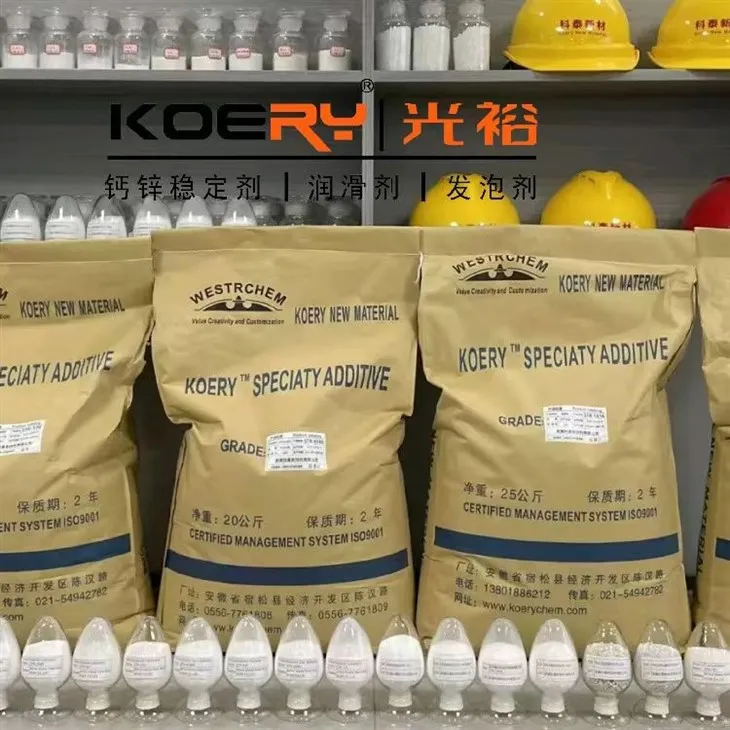
The quality of PVC products is closely related to the performance of heat stabilizers. High - quality heat stabilizers can ensure that PVC products have excellent heat resistance, weatherability, and mechanical properties. For example, Calcium Zinc Stabilizer for PVC Pipes can help PVC pipes maintain their integrity and performance over a long period, even under harsh environmental conditions.

Products with superior quality can command higher prices in the market. This means that although the cost of using high - quality heat stabilizers may be higher, the increased revenue from selling premium products can offset the additional cost. In addition, high - quality PVC products are more likely to meet the strict quality standards and regulations in different markets, which can open up new business opportunities and expand the customer base.
4. Shelf Life and Storage Costs
PVC heat stabilizers can extend the shelf life of PVC products. PVC materials without proper heat stabilization can degrade over time, especially when exposed to heat, light, and oxygen. This degradation can lead to a decrease in product quality and performance, and ultimately, the products may become unsellable.
By using effective heat stabilizers, manufacturers can ensure that their PVC products have a longer shelf life. This reduces the risk of inventory losses due to product degradation and allows for better inventory management. For example, a longer shelf life means that manufacturers can produce larger batches of PVC products and store them for a longer time without worrying about quality deterioration. This can lead to cost savings in terms of reduced production frequency and lower inventory holding costs.
5. Regulatory Compliance Costs
In recent years, there has been an increasing focus on environmental protection and safety regulations in the PVC industry. Different countries and regions have implemented strict regulations on the use of certain types of heat stabilizers, especially lead - based stabilizers.
Manufacturers who continue to use lead - based stabilizers may face significant regulatory compliance costs, such as fines, product recalls, and additional testing requirements. On the other hand, using environmentally friendly heat stabilizers like calcium - zinc stabilizers can help manufacturers avoid these regulatory risks and associated costs. Although the initial investment in calcium - zinc stabilizers may be higher, the long - term savings in regulatory compliance costs can be substantial.
Strategies for Cost - Effective Use of PVC Heat Stabilizers
- Optimize the Stabilizer Dosage: Working closely with a PVC heat stabilizer supplier, manufacturers can determine the optimal dosage of heat stabilizers for their specific PVC formulations. Using too much stabilizer can increase costs without providing additional benefits, while using too little can lead to product quality issues.
- Evaluate Different Stabilizer Options: Manufacturers should regularly evaluate different types of heat stabilizers to find the most cost - effective solution for their production needs. This may involve considering factors such as raw material costs, processing efficiency, product quality, and regulatory compliance.
- Collaborate with Suppliers: Building a strong partnership with a reliable PVC heat stabilizer supplier can provide access to technical support and expertise. Suppliers can help manufacturers optimize their production processes, develop new formulations, and stay updated on the latest industry trends and regulatory requirements.
In conclusion, PVC heat stabilizers have a profound impact on the cost of PVC production. While the initial cost of heat stabilizers is an important consideration, manufacturers should also take into account the long - term benefits in terms of processing efficiency, product quality, shelf life, and regulatory compliance. As a PVC heat stabilizer supplier, I am committed to providing high - quality stabilizers and comprehensive technical support to help manufacturers achieve cost - effective PVC production.
If you are interested in learning more about our PVC heat stabilizers or would like to discuss your specific production needs, please feel free to contact us. We are looking forward to establishing a long - term partnership with you and helping you optimize your PVC production costs.
References
- "Handbook of PVC Formulating" by Edward J. Wickson
- "Plastics Additives: An A - Z Reference" by Geoffrey Pritchard
- Industry reports from leading market research firms on the PVC and heat stabilizer industry.